FAST & RELIABLE SHIPPING TO AU & NZ! 🚚 DESPATCHED WITHIN 24HRS!

View as

Check-In Luggage

Check-In Luggage

Check-in luggage is the workhorse of any trip longer than a few days. The right suitcase protects your belongings, fits within airline weight limits, and survives the baggage handling process without falling apart. The wrong one costs you time, money, and frustration at the carousel.

Travel Gear is an authorised Australian stockist for Globite, Wanderlite, and Crumpler, shipping from our Charlestown NSW warehouse with fast delivery across Australia. Every product comes with full manufacturer warranty support.

Australian Airline Check-In Baggage Allowances (2026)

  • Qantas: 23kg per bag on Economy; 32kg Business. Max linear size 158cm (L+W+H including wheels)
  • Virgin Australia: 23kg per bag on Economy fares that include checked baggage
  • Jetstar: 20kg or 30kg depending on fare; must be purchased in advance for best price
  • Rex: 23kg per bag on most fares

Always confirm your specific fare conditions before travel — budget fares often don't include checked baggage and adding it at the airport is significantly more expensive.

Medium vs Large Check-In Suitcases

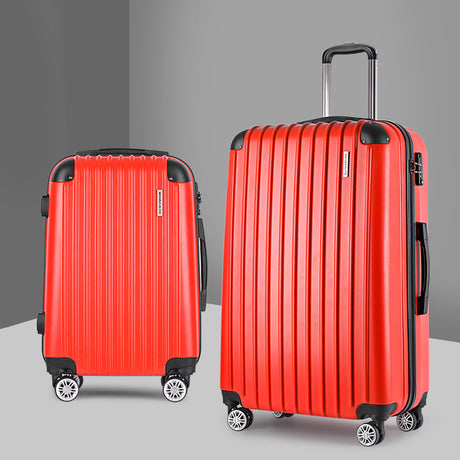
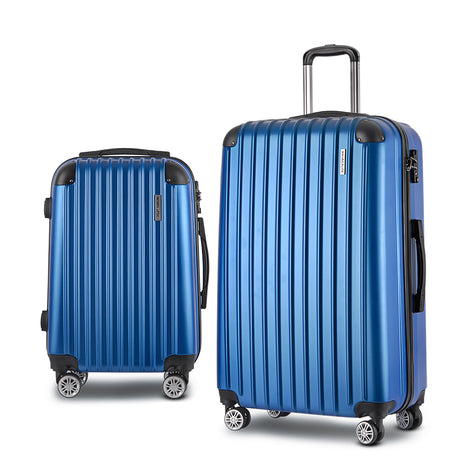
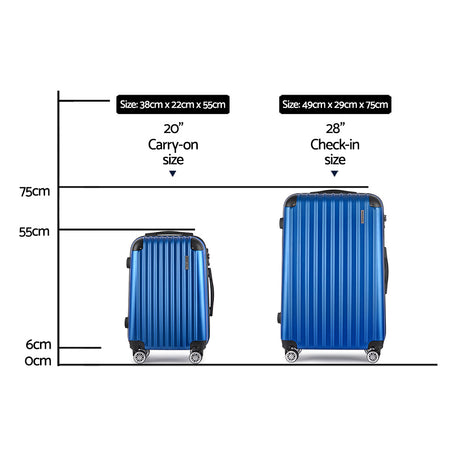
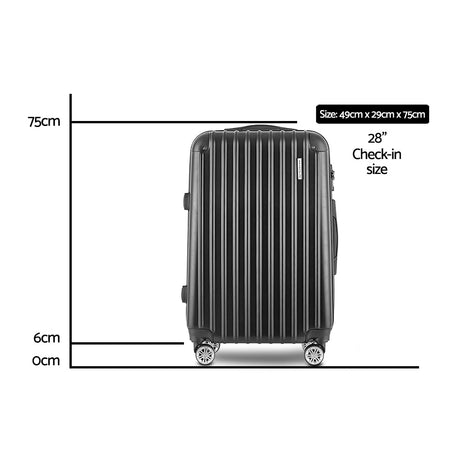
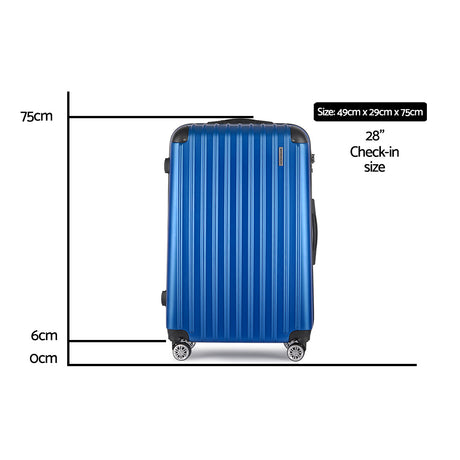
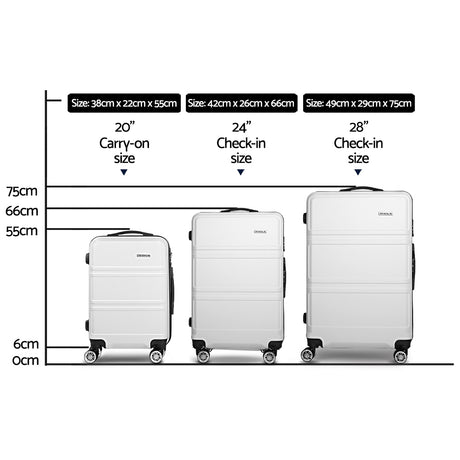
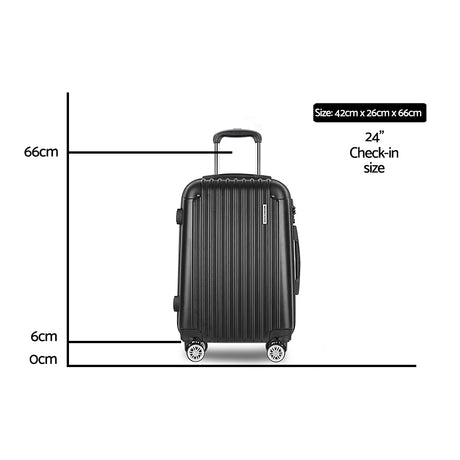
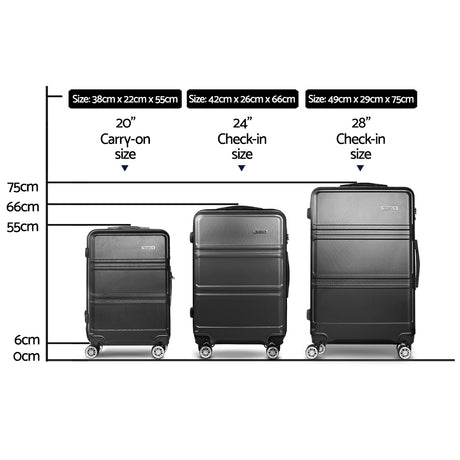
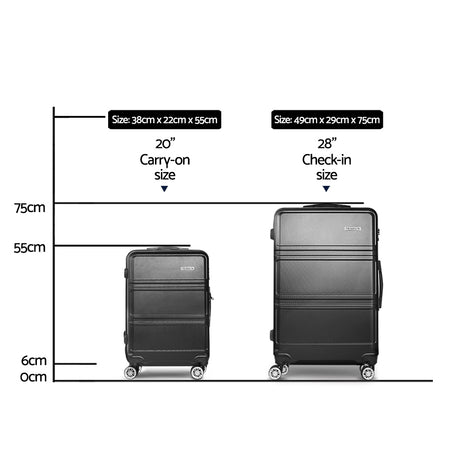
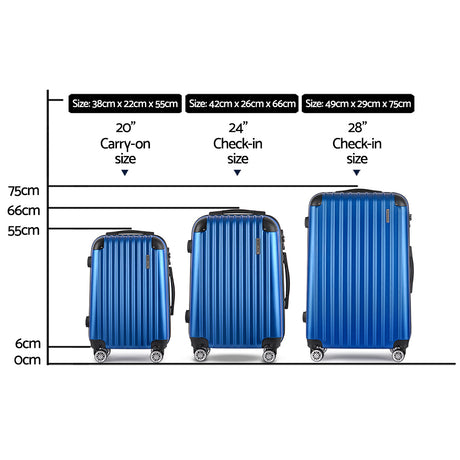
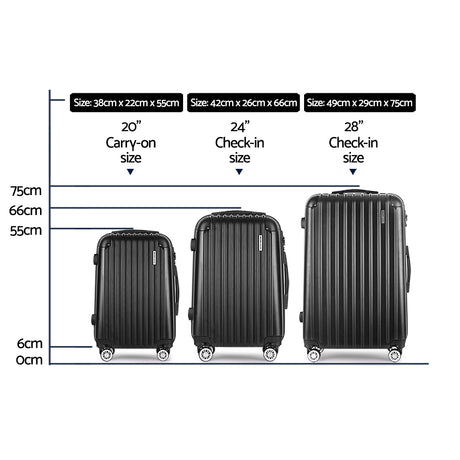
Medium Suitcases (60–69cm)

Typically hold 60–80 litres and weigh 3–4kg empty. The sweet spot for trips of 5–10 days — enough room to pack properly without pushing your weight allowance. Easier to manoeuvre than large cases and fits in more overhead bins on smaller aircraft if you need to gate-check.

Large Suitcases (75–82cm)

Hold 90–130 litres and weigh 4–5.5kg empty. Best for trips of two weeks or more, family travel where you're sharing a bag, or destinations where you'll be buying and bringing back significant purchases. Check the empty weight carefully — a 5kg case leaves only 18kg of your 23kg allowance for contents.

What to Look for in Check-In Luggage

  • Empty weight: Every kilogram of suitcase is a kilogram less of clothes. Aim for under 3.5kg for medium, under 4.5kg for large
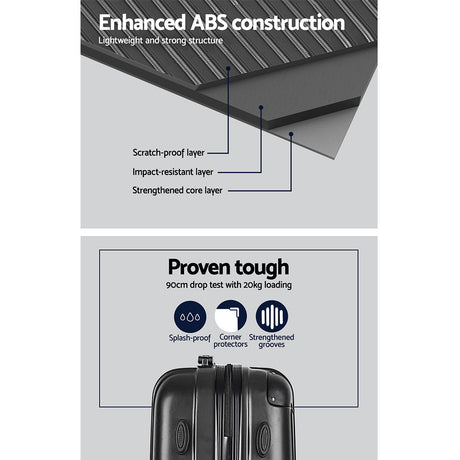
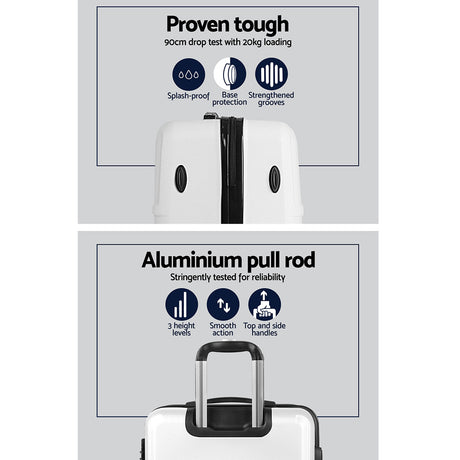
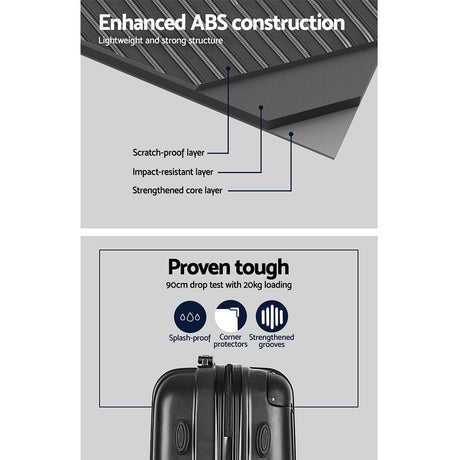
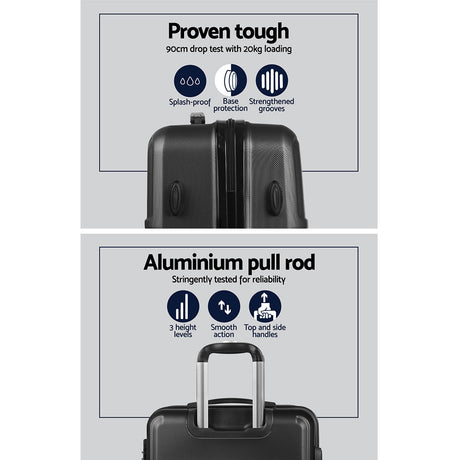
  • Shell material: Polycarbonate is the best balance of weight and durability. ABS is cheaper but heavier and less impact-resistant. Softside nylon handles overpacking more forgivingly
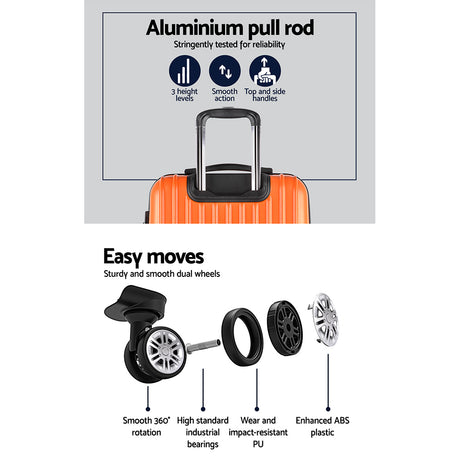
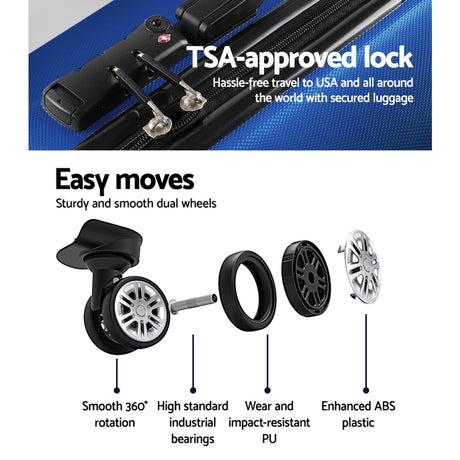
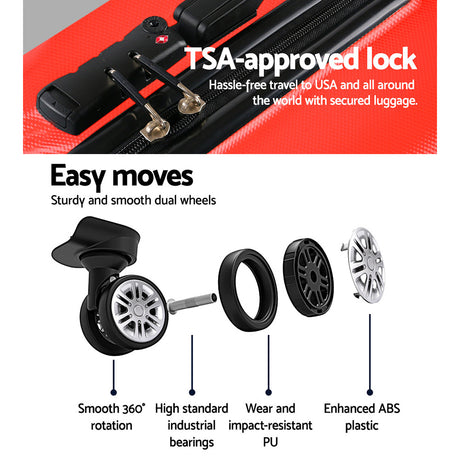
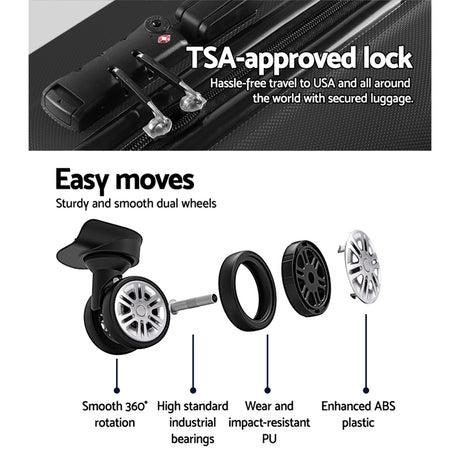
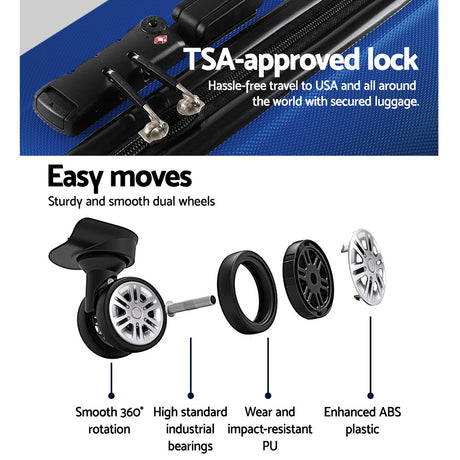
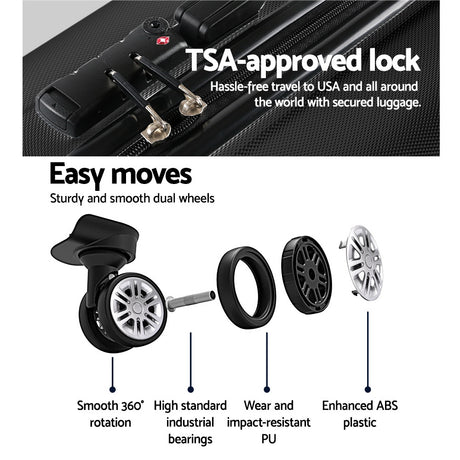
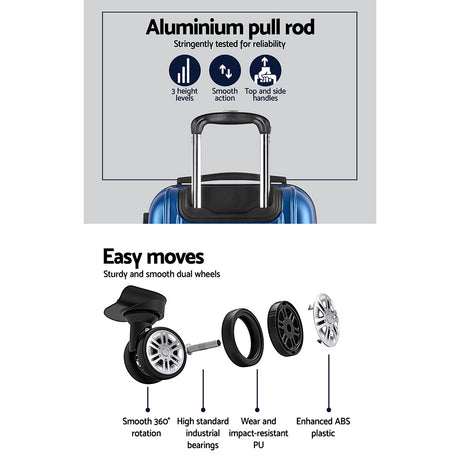
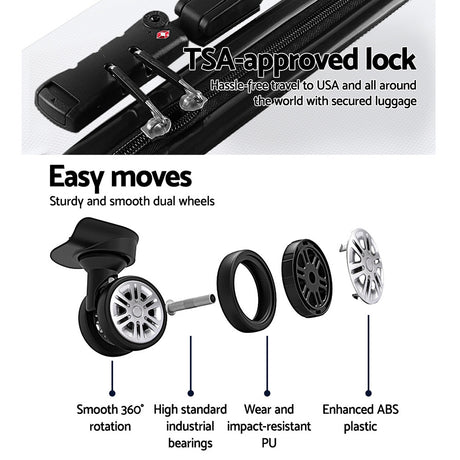
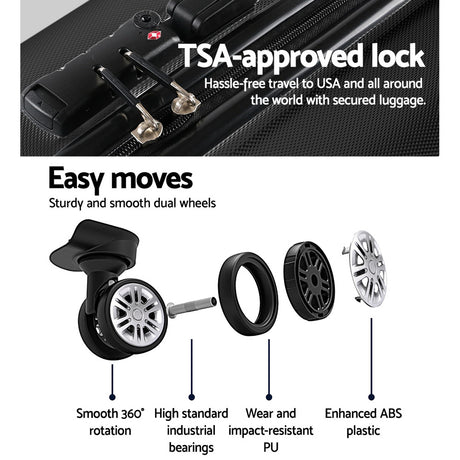
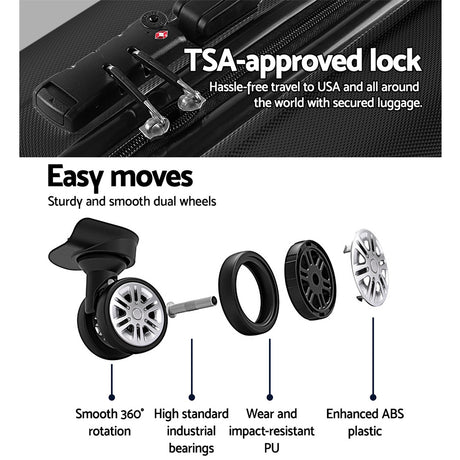
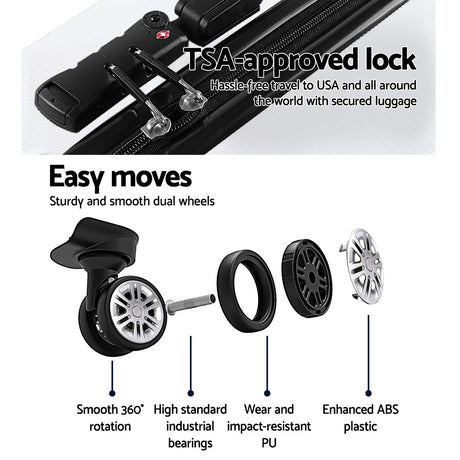
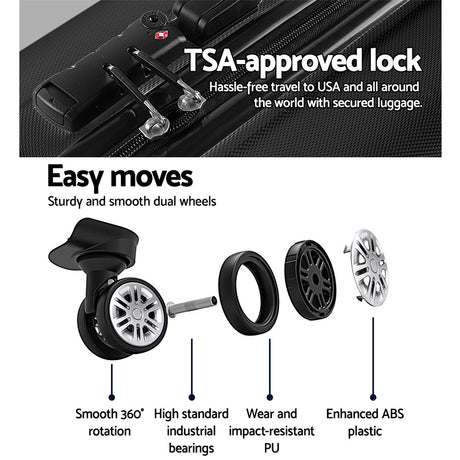
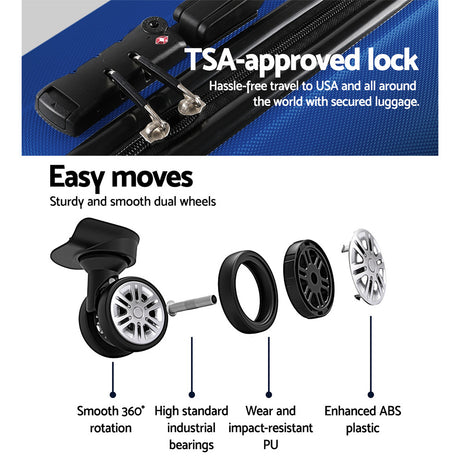
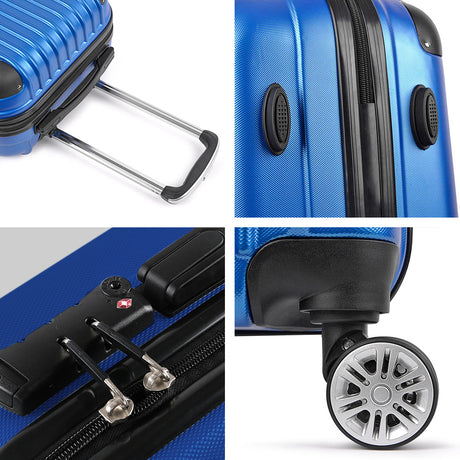
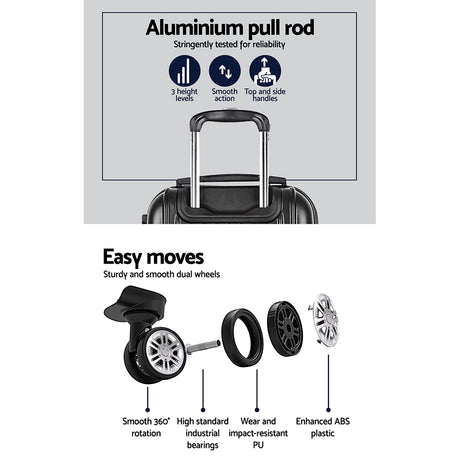
  • Spinner wheels: Four 360° spinner wheels are standard. Double wheels on each corner last longer and roll more smoothly on airport floors
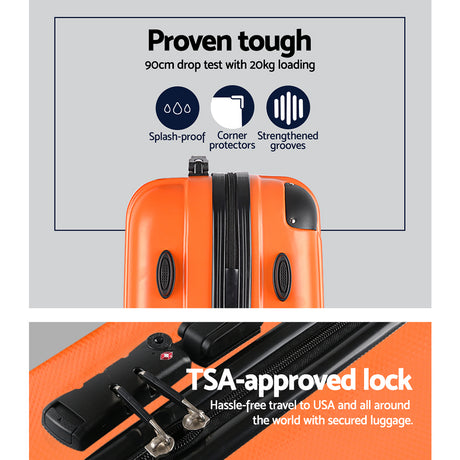
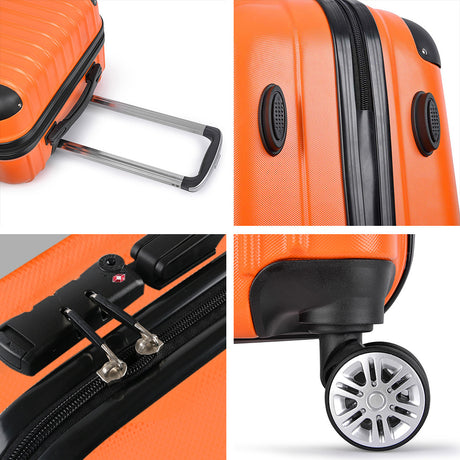
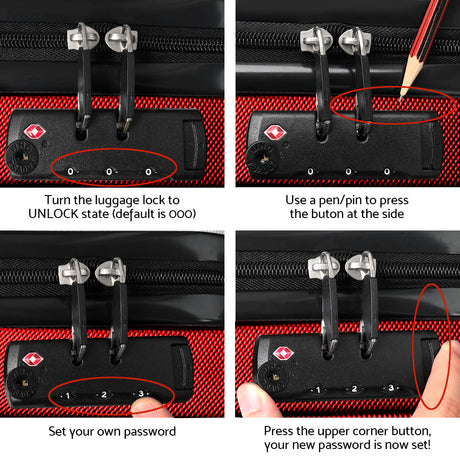
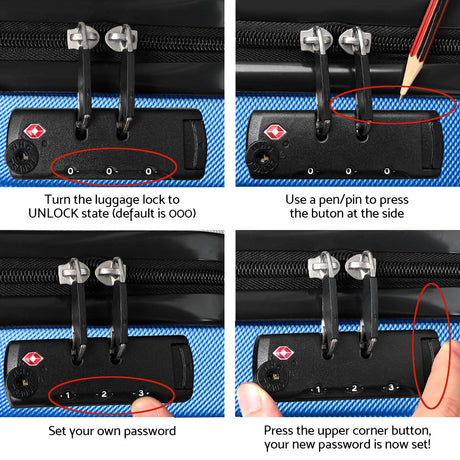
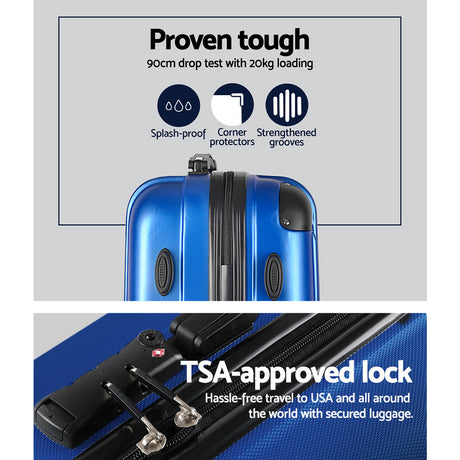
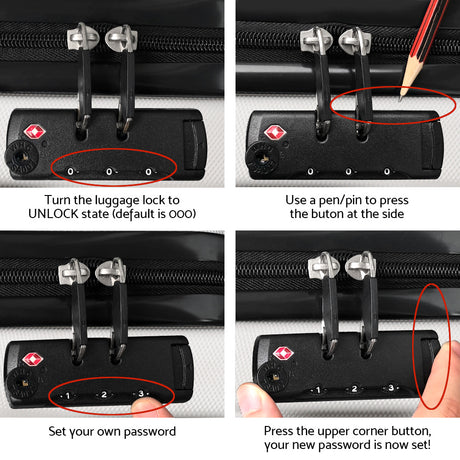
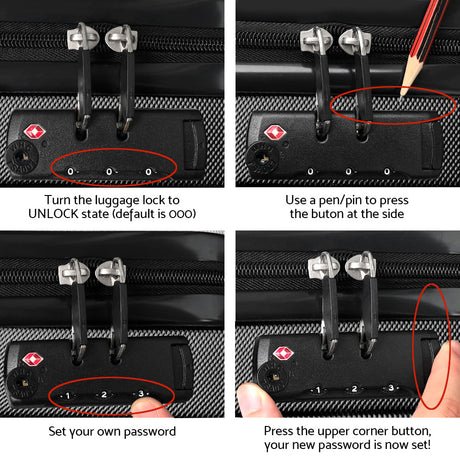
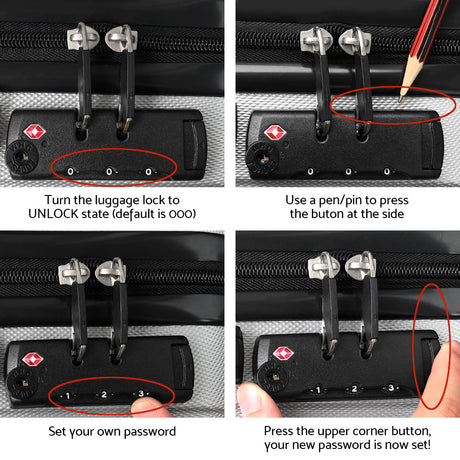
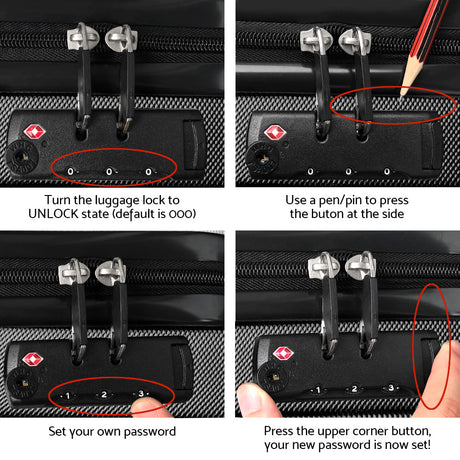
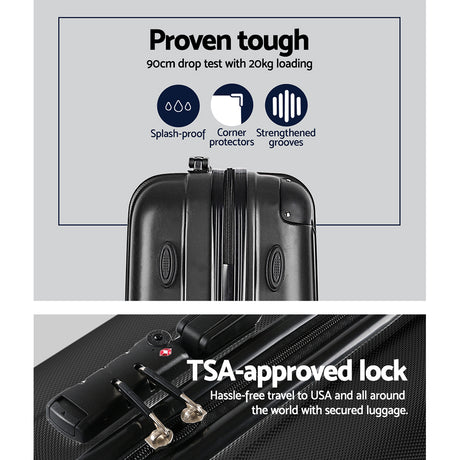
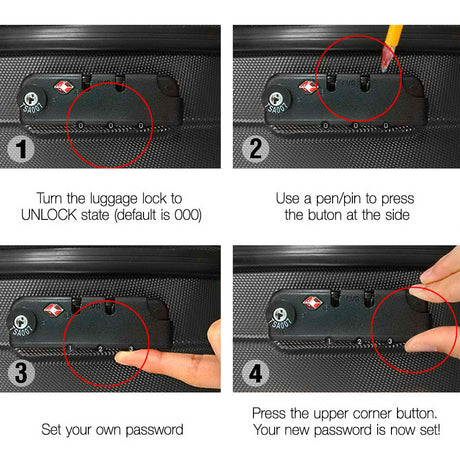
  • TSA-approved lock: Required for US-bound flights; recommended for all international travel. Built-in combination locks are more secure than padlocks
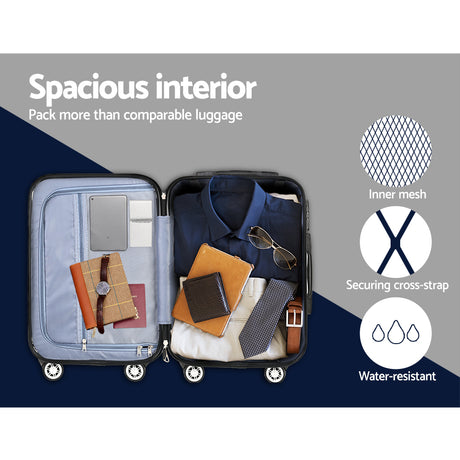
  • Expandability: A 10–15% zip expansion is useful for the return trip. Not available on all hardside cases
  • Warranty: Look for a minimum 2-year warranty. Reputable brands offer 5–10 years on the shell and wheels — buy from an authorised stockist to ensure warranty is valid in Australia

Hardside vs Softside Check-In Luggage

Hardside

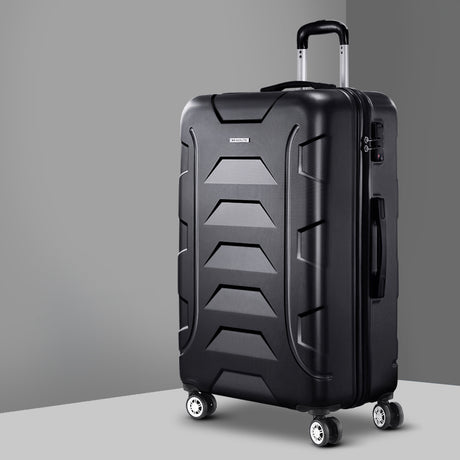
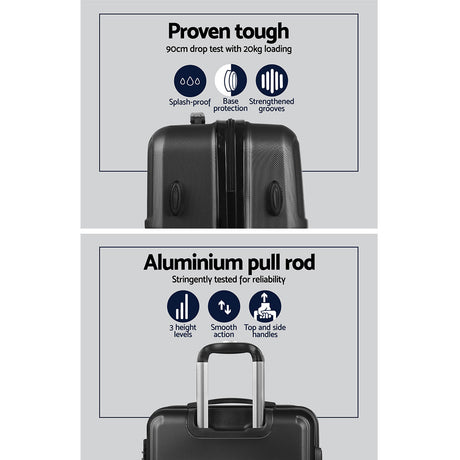
Better protection for fragile contents, easier to clean, and more resistant to liquid damage. Modern polycarbonate shells flex on impact rather than cracking. The smooth exterior sheds dirt and scuffs less visibly than fabric. Most hardside cases are not expandable...Softside

Typically lighter than hardside equivalents and usually expandable. External pockets add useful quick-access storage. Fabric shells absorb minor impacts without denting. Better choice if you regularly overpack or need the flexibility of expansion.

Frequently Asked Questions

What size suitcase fits within a 23kg allowance?

Any size suitcase can fit within a 23kg allowance — the question is how much of that allowance the empty suitcase uses. A 4kg large suitcase leaves 19kg for contents; a 2.8kg medium leaves 20.2kg. Choose based on how much you need to pack, not just the weight limit.

Can I take two checked bags on Australian domestic flights?

Most Australian domestic fares include one checked bag. A second bag can usually be added for a fee. Check your specific fare conditions — Qantas Business and some premium fares include two bags as standard.

What does 158cm linear mean for luggage?

Linear measurement is the total of length + width + height including wheels and handles. Most airlines cap checked baggage at 158cm linear. A typical large suitcase (80cm x 52cm x 32cm) measures 164cm linear — technically oversized, though many airlines don't enforce this strictly for bags under the weight limit.

Is polycarbonate or ABS better for a suitcase?

Polycarbonate is better. It's lighter, more flexible (flexes on impact rather than cracking), and more durable over time. ABS is cheaper to manufacture but heavier and more prone to cracking under stress. For shorter trips, see our carry-on cabin luggage range.