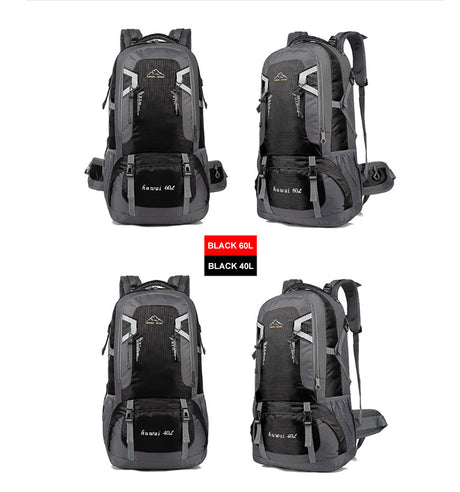
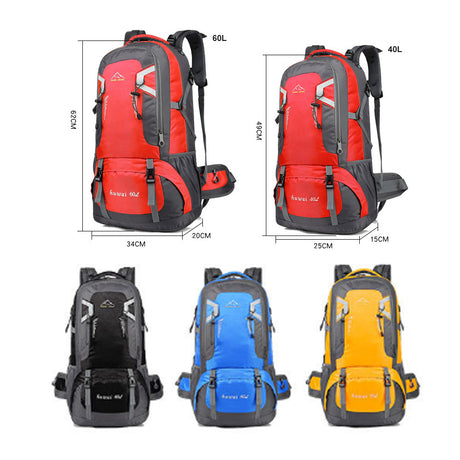
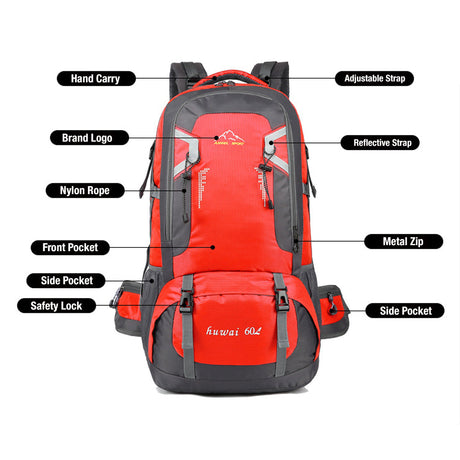
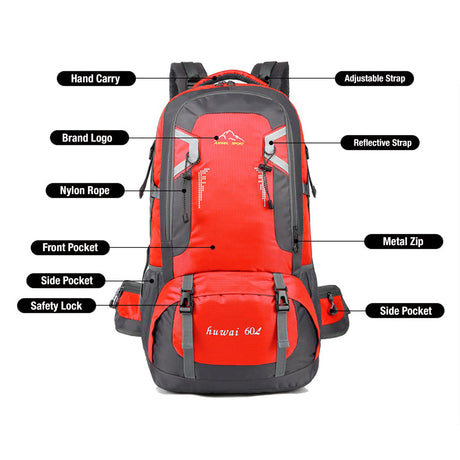
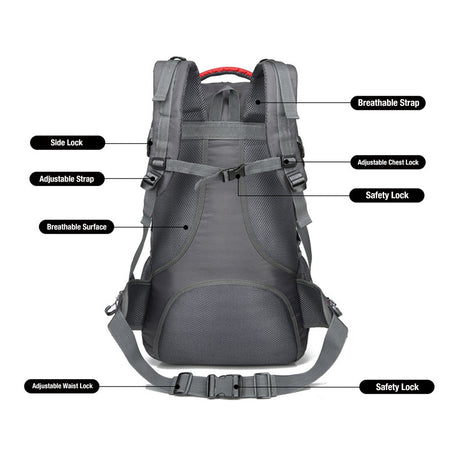
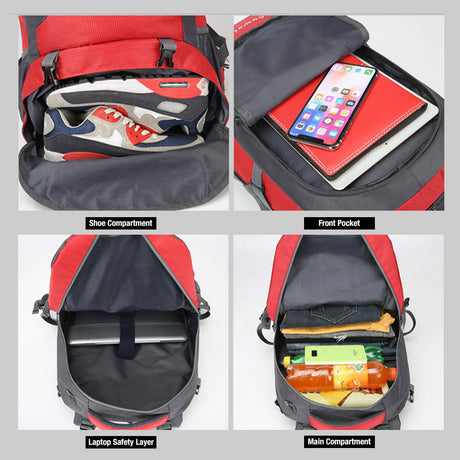
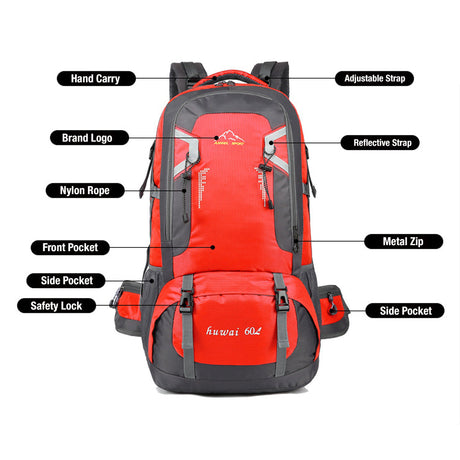
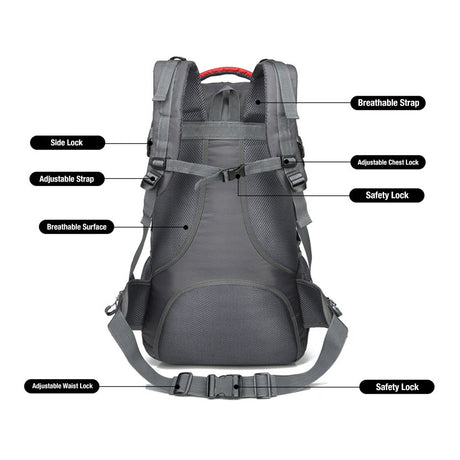
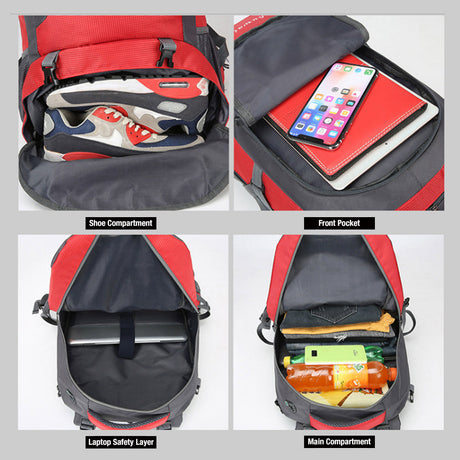
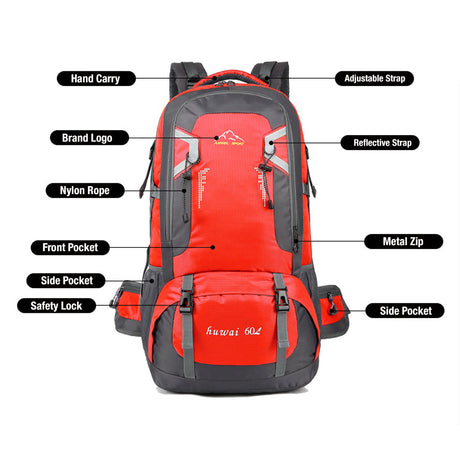
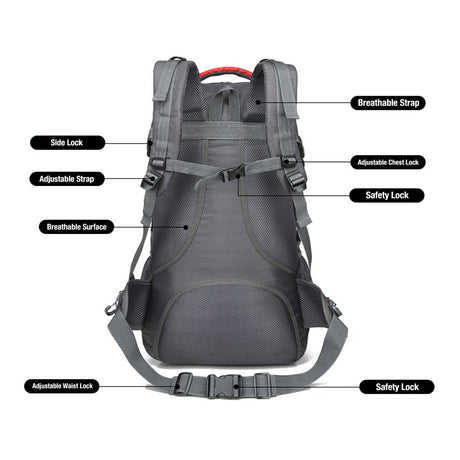
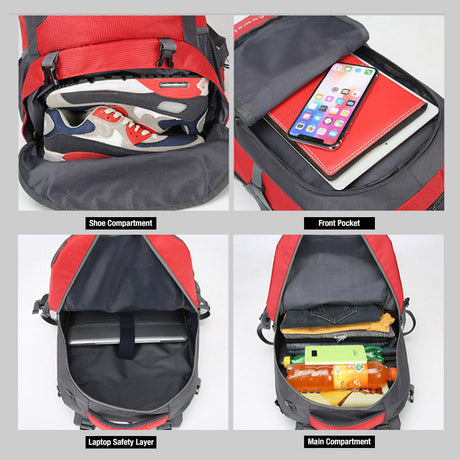
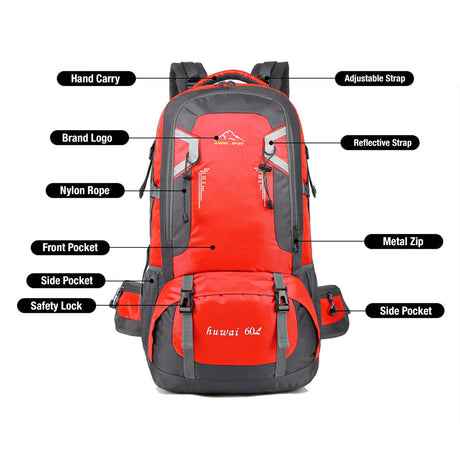
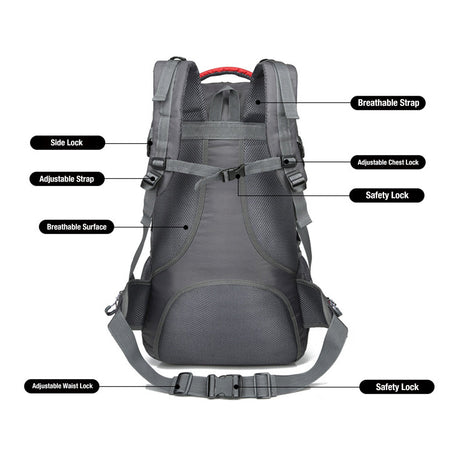
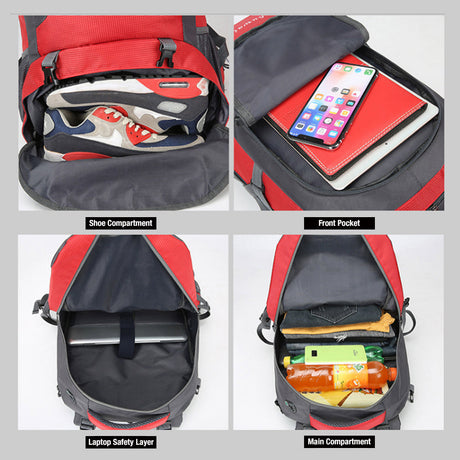
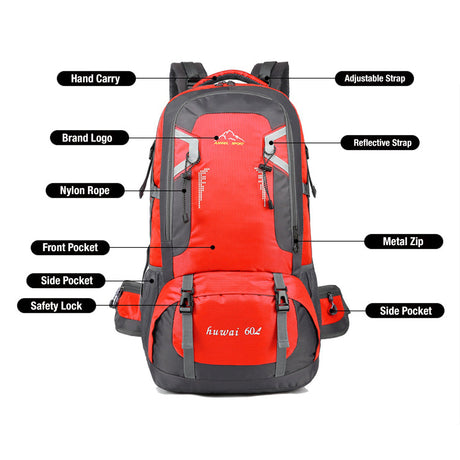
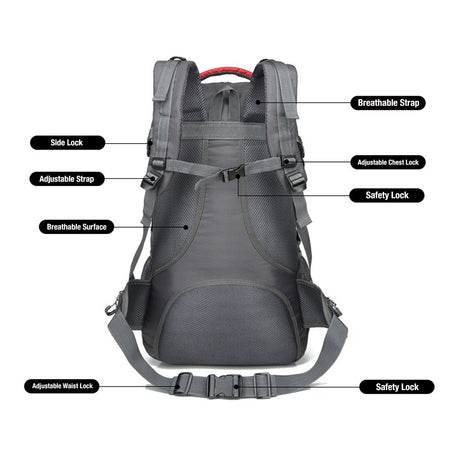
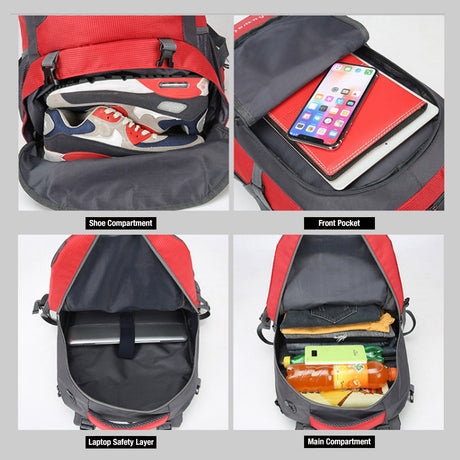
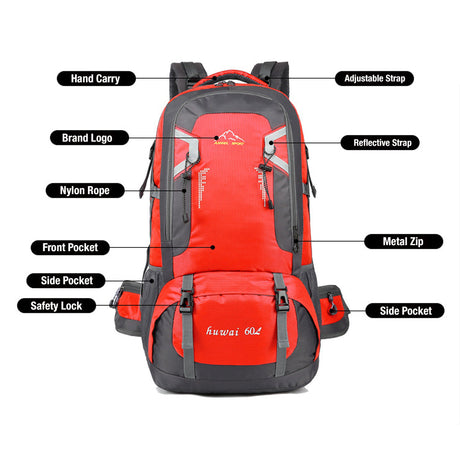
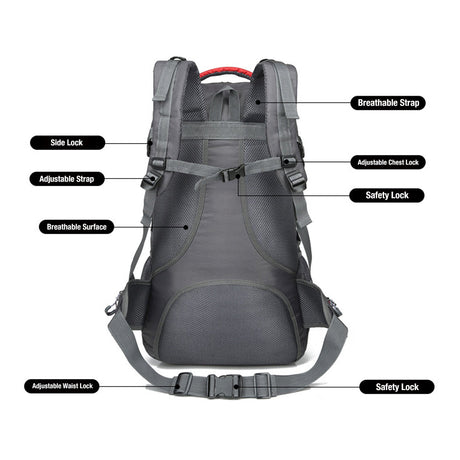
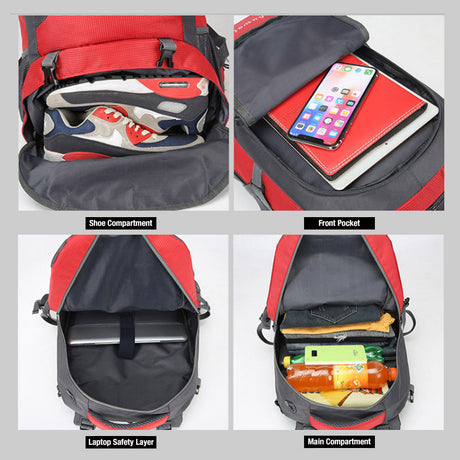
The right hiking backpack makes a long day on the trail significantly more comfortable. The wrong one — too heavy, wrong fit, poor load distribution — turns a good hike into an endurance test. Capacity matters, but so does back system fit, hip belt design, and how the pack handles the specific terrain you're hiking.
Travel Gear is an authorised Australian stockist for Tatonka and Sea to Summit — two brands with genuine outdoor credentials and packs tested in Australian and international conditions. We ship from our Charlestown NSW warehouse with fast delivery across Australia.
Hiking Backpack Capacity Guide
Day Packs (15–30L)
For day hikes, trail running, and day trips from a base camp. Enough room for water, food, a layer, and a first aid kit. Most day packs weigh under 1kg and don't have a hip belt — the load is carried on the shoulders. Sea to Summit's Ultra-Sil Day Pack at 68g is the benchmark for ultralight day packs; Tatonka's Hike Pack range covers more structured options with organisation panels.
Multi-Day Packs (40–60L)
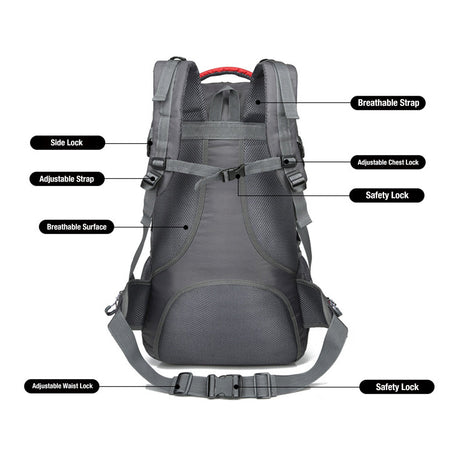
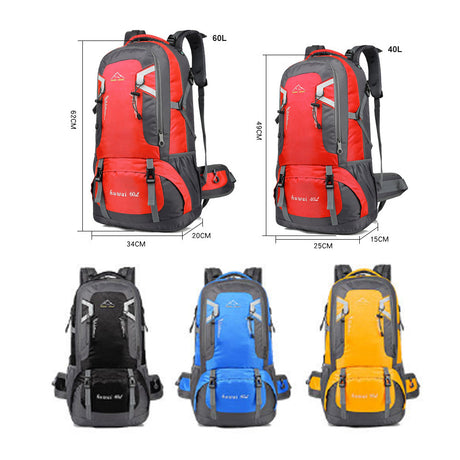
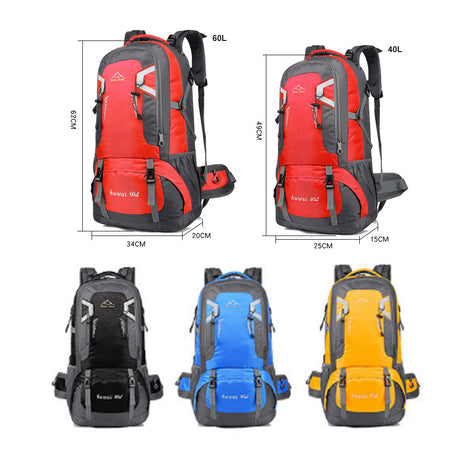
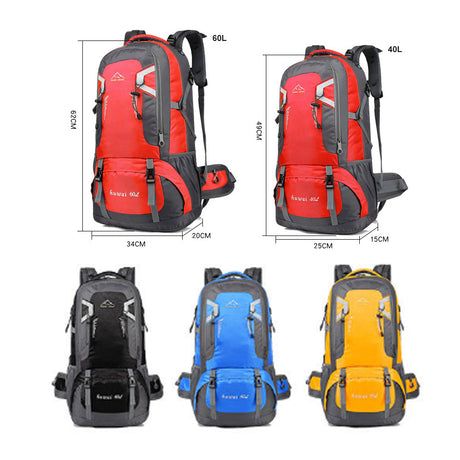
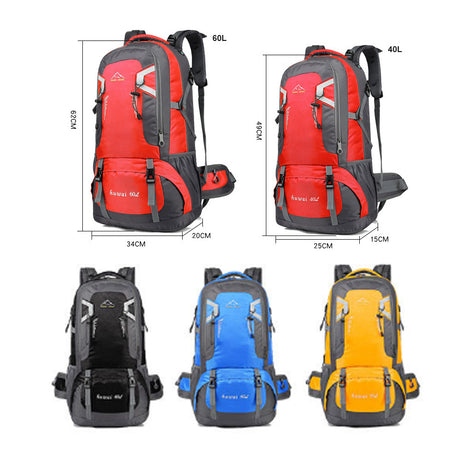
For overnight and multi-day hikes where you're carrying a sleeping bag, shelter, and several days of food. A proper back system with an adjustable torso length and load-transfer hip belt is essential at this capacity — the hip belt should carry 70–80% of the load, not the shoulders. Tatonka's Yukon series (50L, 60L, 70L) is the benchmark for this category, with a fully adjustable back system and Cordura construction.
Expedition Packs (65L+)
For extended expeditions, international trekking, and situations where you're carrying everything for weeks at a time. Heavy-duty construction, multiple access points, and a sophisticated back system are non-negotiable at this capacity. An empty 70L pack can weigh 2.5–3kg before you've packed anything — factor this into your airline baggage allowance.
What to Look for in a Hiking Backpack
-
Back system fit: Torso length (not height) determines fit. Measure from the C7 vertebra (the bony bump at the base of your neck) to the top of your hip bones. Most packs come in S/M/L torso sizes
-
Hip belt: Should sit on the iliac crest (top of the hip bones), not the waist. A properly fitted hip belt transfers load from shoulders to hips
-
Fabric: Cordura nylon resists abrasion and tears better than standard polyester — worth paying for on packs that will see hard use
-
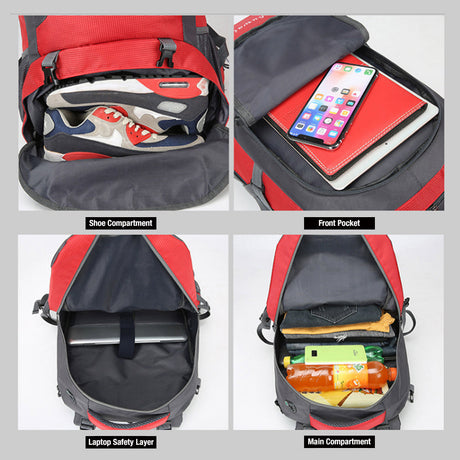
Hydration compatibility: Most hiking packs have a hydration reservoir sleeve and port. Check compatibility with your preferred reservoir brand
-
Rain cover: Some packs include a built-in rain cover; others require a separate cover. Essential for Australian conditions where weather can change quickly
-
Warranty: Buy from an authorised stockist to ensure warranty is valid in Australia
Frequently Asked Questions
What size hiking backpack do I need for a day hike?
For a day hike, 20–30L is the right range. 20L suits a half-day hike with minimal gear; 25–30L gives you room for a full day's food, water (2–3L), a layer, first aid kit, and camera. Anything over 30L is more than you need for a single day unless you're carrying specialist equipment.
How do I fit a hiking backpack correctly?
Measure your torso length (C7 vertebra to top of your hip bones) and choose the corresponding pack size. Put the pack on with the hip belt sitting on your iliac crest and buckle it first. Then adjust the shoulder straps so they follow the curve of your shoulders without gaps. The load lifters should angle at about 45 degrees. Finally, tighten the sternum strap across your chest.
Are hiking backpacks allowed as carry-on luggage?
Day packs under 30L often fit within airline carry-on size limits (56cm x 36cm x 23cm for most Australian carriers). Larger hiking packs must be checked. Remove trekking poles and any sharp items before checking — these must be in checked baggage. See our carry-on luggage range for bags specifically sized for cabin travel.
What is the best hiking backpack brand in Australia?
Tatonka and Sea to Summit are the two standout brands for Australian hikers. Tatonka's Yukon series is the benchmark for multi-day packs — fully adjustable back system, Cordura construction, and a proven track record on Australian and international trails. Sea to Summit leads the ultralight category. For a full guide to choosing the right pack, see our ultimate luggage and bags buying guide.