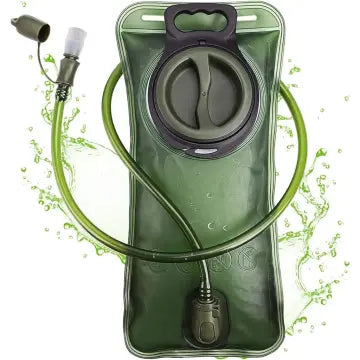
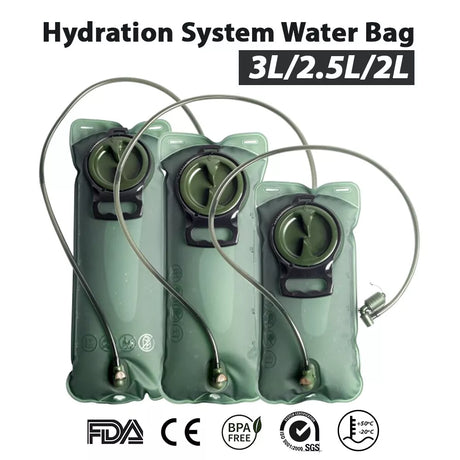
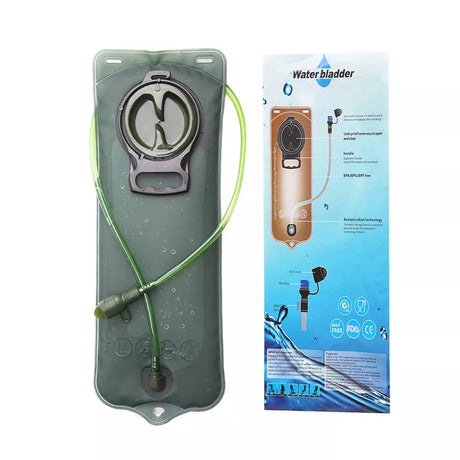
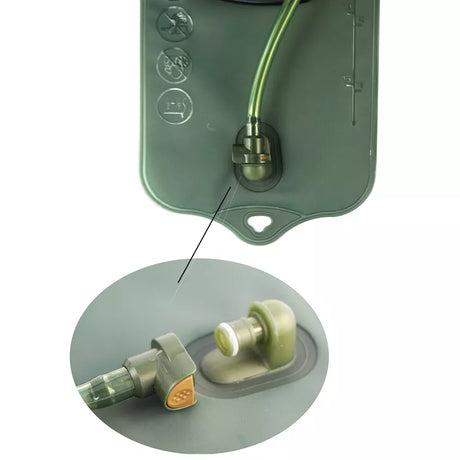
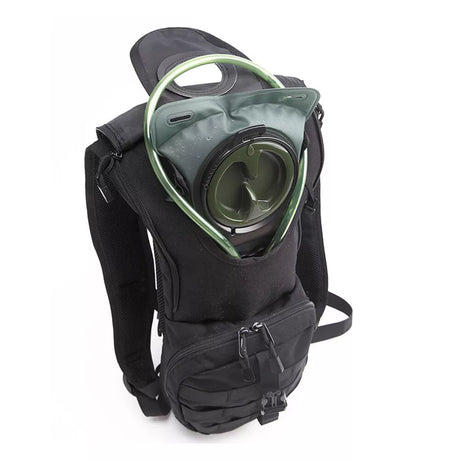
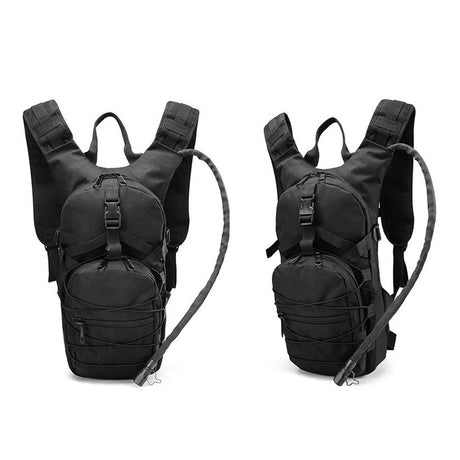
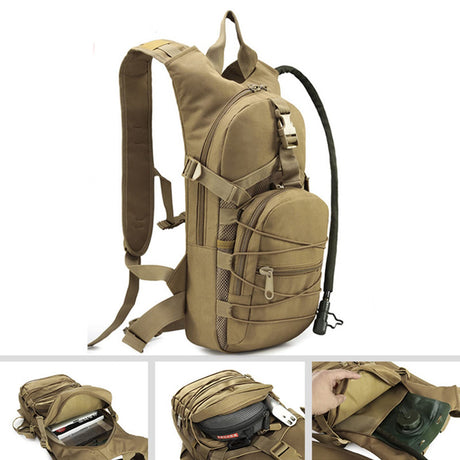
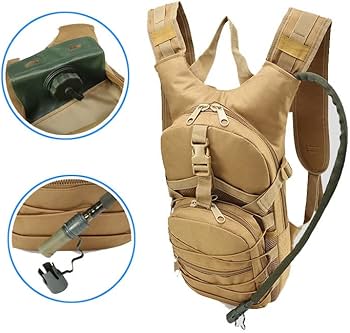
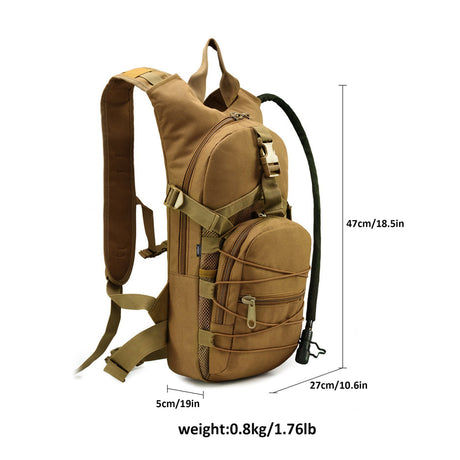
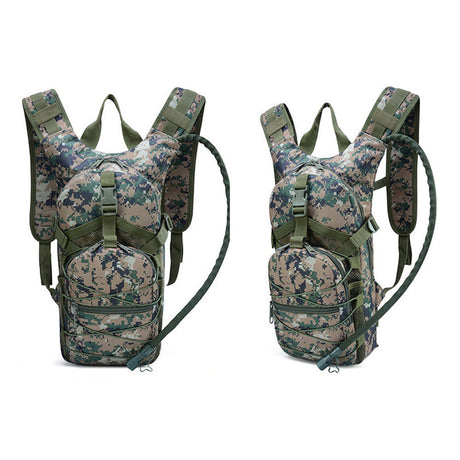
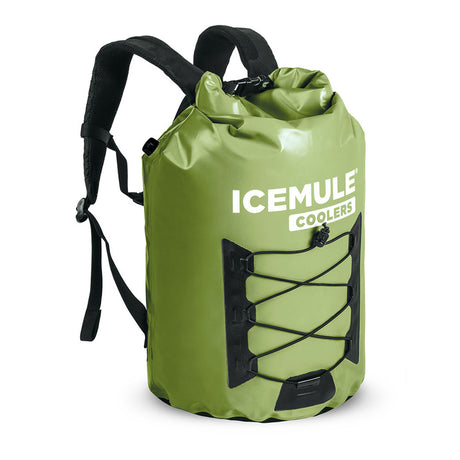
A hydration pack solves a specific problem: how to carry enough water for a long run, hike, or ride without stopping to get a bottle out of your bag. The reservoir sits inside the pack, a drinking tube runs over your shoulder, and you drink without breaking stride or stopping. For activities where hydration matters and stopping is inconvenient, it's a genuinely better solution than a water bottle.
Travel Gear is an authorised Australian stockist for CamelBak and Tatonka — two of the most trusted names in hydration systems — with options across running, hiking, and cycling use cases. All orders ship from our Charlestown NSW warehouse with fast delivery across Australia.
Types of Hydration Packs
Running Hydration Packs
Minimal, close-fitting packs designed to stay stable at running pace. Typically 5–12L capacity with a 1.5–2L reservoir. The fit is snug to prevent bounce — look for adjustable sternum straps and a back panel that sits close to the body. CamelBak's Circuit and Rogue series are the benchmark for trail running hydration packs.
Hiking Hydration Packs
Larger capacity (15–30L) with a 2–3L reservoir and room for food, layers, and gear alongside the water. A proper back system with a hip belt is important at this size — the pack needs to carry comfortably for hours. Tatonka's hydration-compatible hiking packs work with standard 3L reservoirs. Browse the full hiking backpacks range for packs with hydration compatibility.
Cycling Hydration Packs
Aerodynamic profile, helmet-compatible back panel, and a drinking tube routed for easy access while riding. Typically 10–20L with a 2–3L reservoir. CamelBak's MULE and Lobo series are the most popular cycling hydration packs, with a low centre of gravity and stable fit at speed.
Standalone Hydration Reservoirs
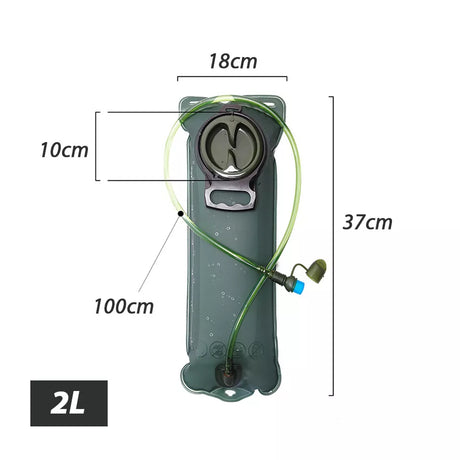
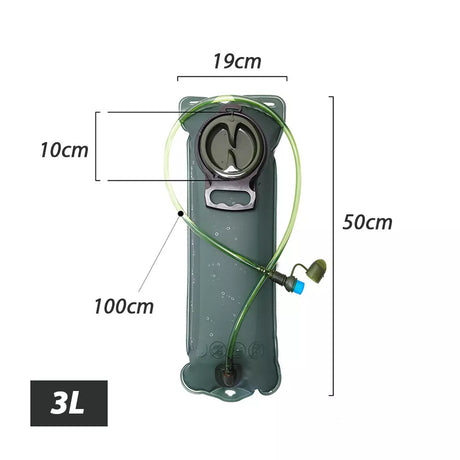
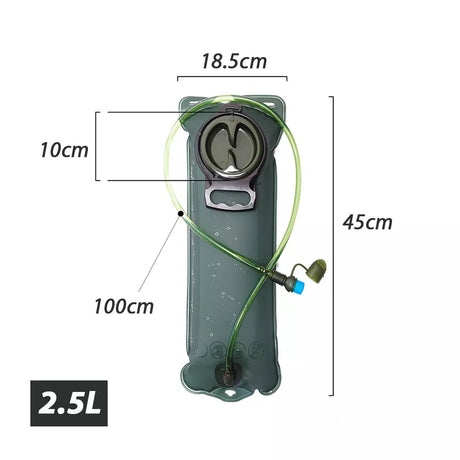
Replacement reservoirs and bladders for existing packs. CamelBak's Crux reservoir is the most widely compatible option — fits most hydration-compatible packs from any brand. Available in 1.5L, 2L, and 3L.
What to Look for in a Hydration Pack
-
Reservoir capacity: 1.5L for runs under 2 hours; 2L for half-day activities; 3L for full-day hikes and long rides
-
Pack capacity: 5–12L for running; 15–30L for hiking; 10–20L for cycling
-
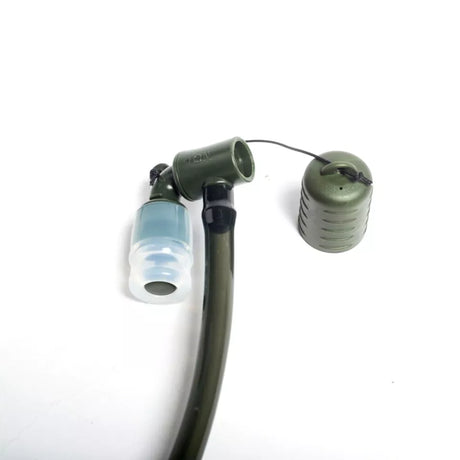
Bite valve: Should flow freely and shut off cleanly without dripping. CamelBak's Crux bite valve is the industry standard
-
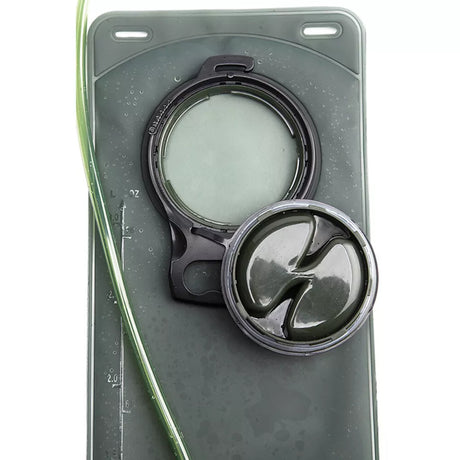
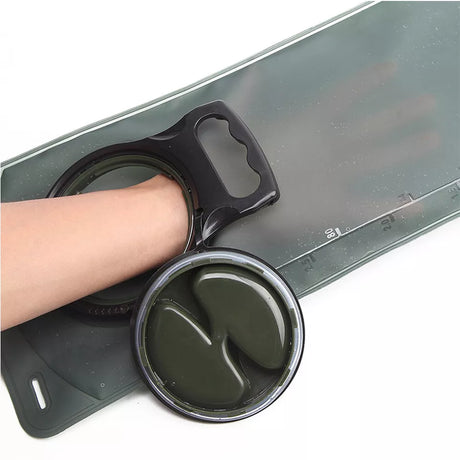
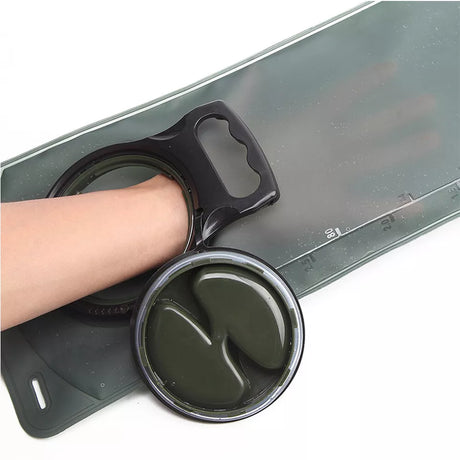
Cleaning access: Wide-mouth reservoirs are easier to clean and dry. Look for a reservoir with a wide opening and a drying kit
-
Fit: Snug for running; structured for hiking; aerodynamic for cycling
Frequently Asked Questions
How do I clean a hydration reservoir?
Rinse with warm water after every use. For a thorough clean, use a hydration cleaning kit (brush for the reservoir, brush for the tube) with a mild cleaning tablet or diluted white vinegar. Dry fully before storing — a damp reservoir grows mould quickly. Store with the reservoir open or inside out to allow airflow.
Are CamelBak reservoirs compatible with other packs?
CamelBak reservoirs fit most hydration-compatible packs from other brands, provided the pack has a standard reservoir sleeve and tube port. The Crux reservoir's universal design makes it the most widely compatible option. Check your pack's reservoir sleeve dimensions before buying a replacement.
How much water should I carry for a day hike?
The general recommendation is 500ml per hour of hiking in moderate conditions, more in heat or at altitude. For a 6-hour day hike in Australian summer conditions, carry at least 3L. A 3L reservoir plus a reusable water bottle gives you 4–5L total — adequate for most full-day hikes with no water sources on the trail.
Do I need a hydration pack or just a water bottle?
For activities under 90 minutes where you stop regularly, a reusable water bottle is simpler and lighter. For trail running, long hikes, and cycling where stopping to drink is inconvenient or you need more than 1L, a hydration pack is the better choice. For a full guide to staying hydrated on the trail, see our ultimate Australian packing checklist.