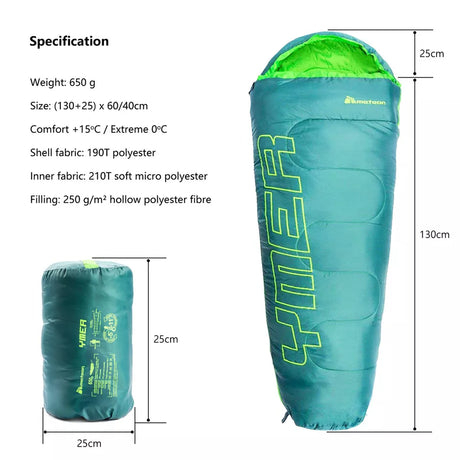
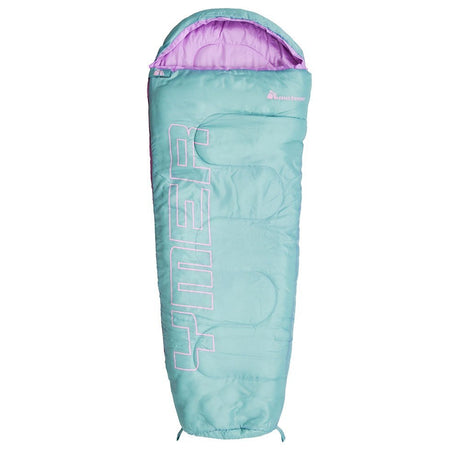
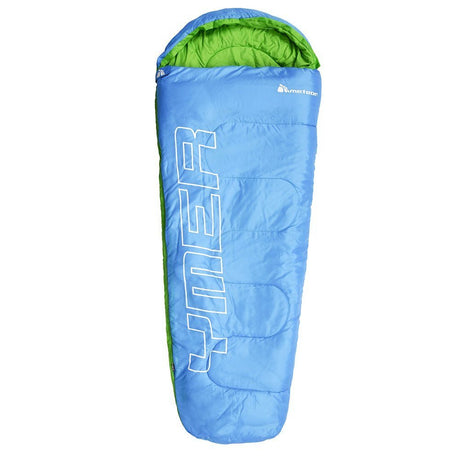
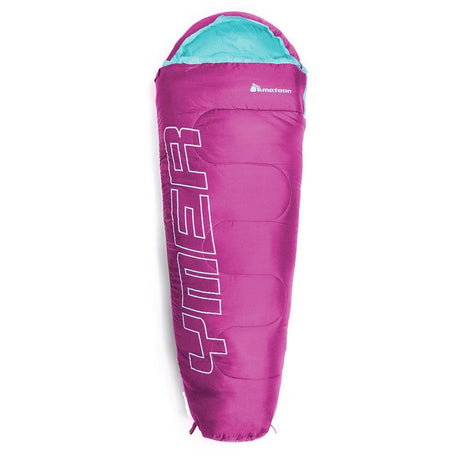
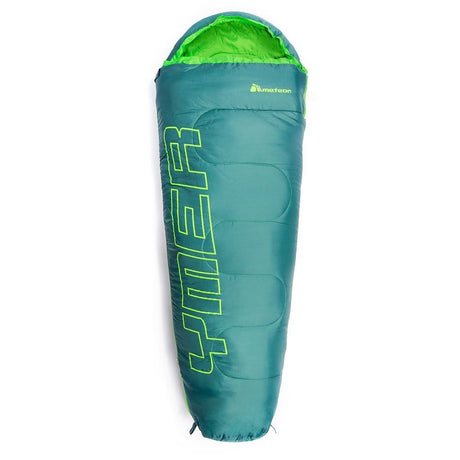
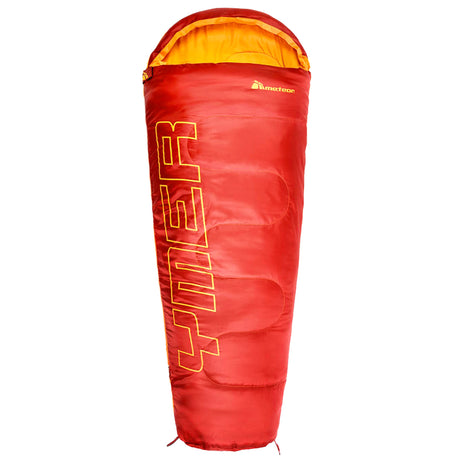
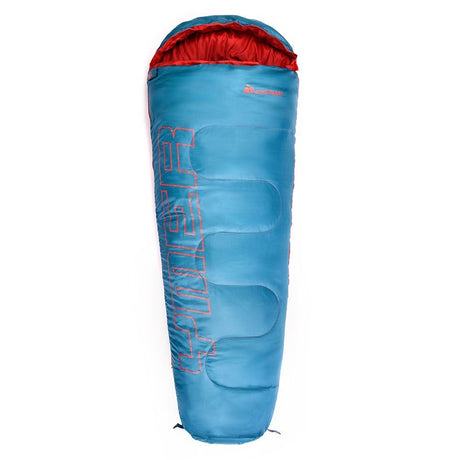
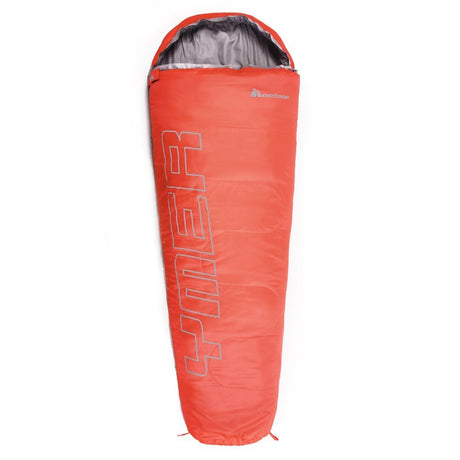
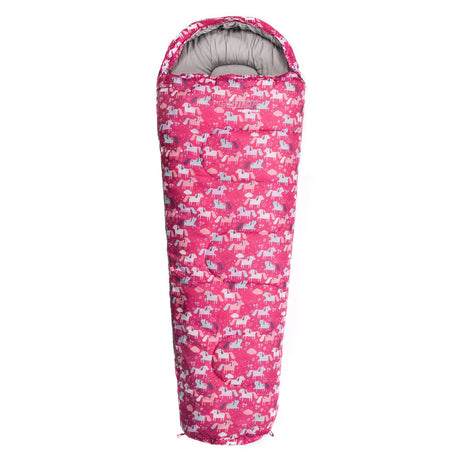
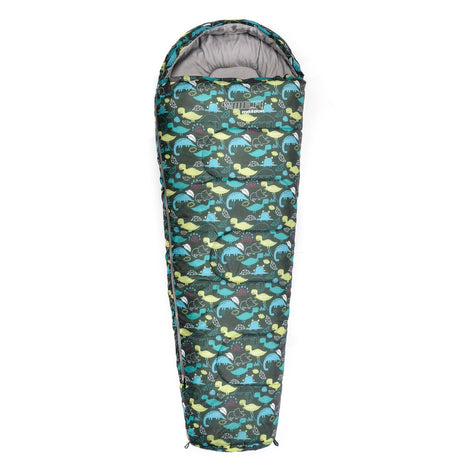
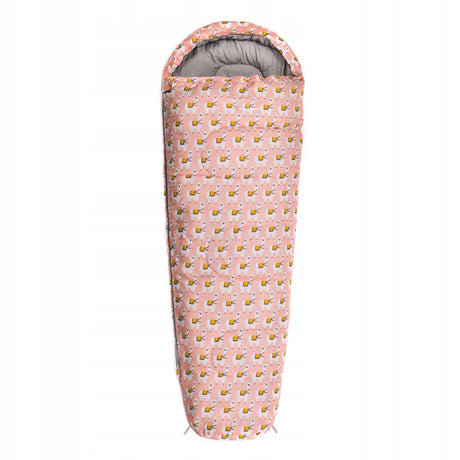
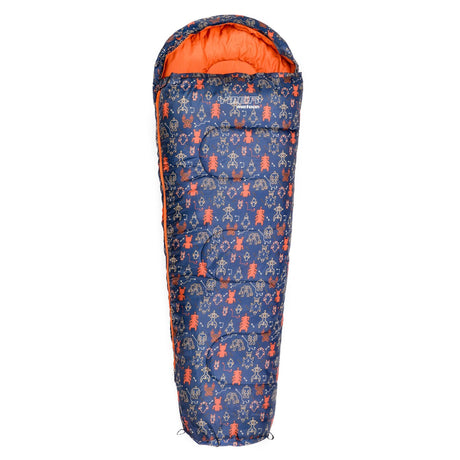
Choosing the right sleeping bag comes down to three things: temperature rating, fill type, and pack size. Get those right for your specific use case and you'll sleep well; get them wrong and you'll either be cold, carrying unnecessary weight, or both. This collection covers sleeping bags for camping, hiking, and travel — from ultralight down bags for alpine conditions to synthetic bags for wet environments and travel liners for hostels and hotels.
Travel Gear is an authorised Australian stockist for Sea to Summit, stocking their full sleeping bag range alongside options from other trusted outdoor brands. All orders ship from our Charlestown NSW warehouse.
Down vs Synthetic Sleeping Bags
Down Sleeping Bags
Down is the best insulation available for sleeping bags — warmer for its weight than any synthetic alternative, and compresses to a much smaller pack size. A quality down bag rated to -10°C can weigh under 800g and pack to the size of a 1-litre water bottle. The trade-off is performance when wet: down loses most of its insulating ability when damp and takes a long time to dry. Treated down (hydrophobic down) addresses this partially but doesn't fully solve the problem. Down bags are the right choice for dry conditions and alpine environments.
Synthetic Sleeping Bags
Synthetic insulation retains warmth when wet and dries faster than down. Less compressible and heavier than down for the same temperature rating, but more practical for wet environments, kayaking trips, and situations where the bag may get damp. Also hypoallergenic — a consideration for people with down allergies. The right choice for wet climates, coastal camping, and budget-conscious buyers.
Temperature Ratings Explained
Sleeping bag temperature ratings follow the EN 13537 / ISO 23537 standard, which defines three ratings:
-
Comfort rating: The temperature at which a standard woman sleeps comfortably. The most conservative rating
-
Lower limit: The temperature at which a standard man sleeps comfortably in a curled position
-
Extreme rating: The survival limit for a standard woman — not a comfort rating, and not recommended for regular use
As a general rule, choose a bag rated 5–10°C colder than the lowest temperature you expect to encounter. You can always sleep with the zip open if you're too warm; you can't add warmth you don't have.
Sea to Summit Sleeping Bag Range
-
Spark series: Ultralight down bags for alpine and expedition use. The Spark SpIII weighs 495g and packs to 1 litre. Rated to -9°C comfort
-
Ascent series: Premium down bags for serious mountaineering. 850+ fill power down, rated to -18°C and below
-
Altitude series: Expedition-grade down bags for extreme cold. Used by professional mountaineers on high-altitude expeditions
-
Trailhead series: Synthetic bags for wet conditions and budget-conscious campers. Rated from +7°C to -9°C
Sleeping Bag Liners
A sleeping bag liner adds 5–15°C of warmth to any sleeping bag, extends the life of the bag by keeping it clean, and works as a standalone sheet in warm climates and hostels. Sea to Summit's Reactor liner is the benchmark — it adds 8°C of warmth and weighs 130g. Browse our sleeping bag liners range for options in silk, cotton, and thermal fabrics.
Frequently Asked Questions
What temperature sleeping bag do I need for Australian camping?
It depends on where and when you're camping. Summer camping in coastal NSW or Queensland: a +10°C to +15°C bag is adequate. Alpine camping in the Snowy Mountains or Victorian Alps: temperatures can drop to -10°C or below even in summer — a bag rated to at least -5°C comfort is recommended. Always check the forecast for your specific location and altitude.
What does fill power mean in a down sleeping bag?
Fill power measures the loft (fluffiness) of down — how many cubic inches one ounce of down occupies. Higher fill power means lighter weight for the same warmth. 600–650 fill power is good quality; 750–800 is premium; 850+ is expedition grade. Higher fill power bags cost more but pack smaller and weigh less.
Can I wash a sleeping bag at home?
Yes, but carefully. Use a front-loading washing machine (top-loaders with agitators can damage the baffles), a down-specific detergent, and a gentle cycle. Dry on low heat with tennis balls to break up clumps. Never dry clean a down bag — the solvents damage the down. Synthetic bags are more forgiving and can be washed more frequently. For the full Sea to Summit range, browse our Sea to Summit Australia collection.