

By the Travel Gear Content Team. Updated 26 October 2026.
Quick answer: RFID protection means shielding your contactless cards and e-passport chip from unauthorised scanning, usually with an RFID blocking wallet, sleeve or passport holder. Reported cases of contactless skimming are rare, so it's a low-cost precaution rather than a must-have. This guide explains how RFID works and how to choose protection that suits you.
We carry more personal information on our cards, passports and IDs than ever. This guide explains RFID technology, the risks and how to protect your data.

What Is RFID Protection?
RFID, or Radio Frequency Identification, uses radio waves to read information stored on small chips in cards and passports. It's convenient for contactless payments and electronic passports. These chips work at very short range, so a reader has to be close to read them. In theory, though, someone with a portable reader could try to scan a card in a crowded place.
Why Consider RFID Protection?
RFID blocking products are designed to stop unauthorised scanning of your contactless cards and passport chip. Reported cases of skimming are rare, so the main benefit is peace of mind in busy places. Most banks reimburse fraudulent transactions, but disputes can be slow.
How to Choose an RFID Blocking Wallet
When selecting an RFID blocking wallet, consider the following:
- Material: Leather, metal and synthetic materials each have their pros and cons.
- Capacity: Make sure it has space for your cards, cash and IDs.
- Design: Choose a style that suits you.
- Price: A higher price doesn't always mean better protection, so compare features.
RFID Protection for Travellers
Passports and credit cards are used constantly when you travel. Here's how to keep them protected on the go.
- Use an RFID blocking passport holder: designed to protect the chip in your passport.
- Carry an RFID blocking wallet: keeps your cards and IDs shielded.
- Be aware of your surroundings: crowded places like airports and tourist spots call for extra care.
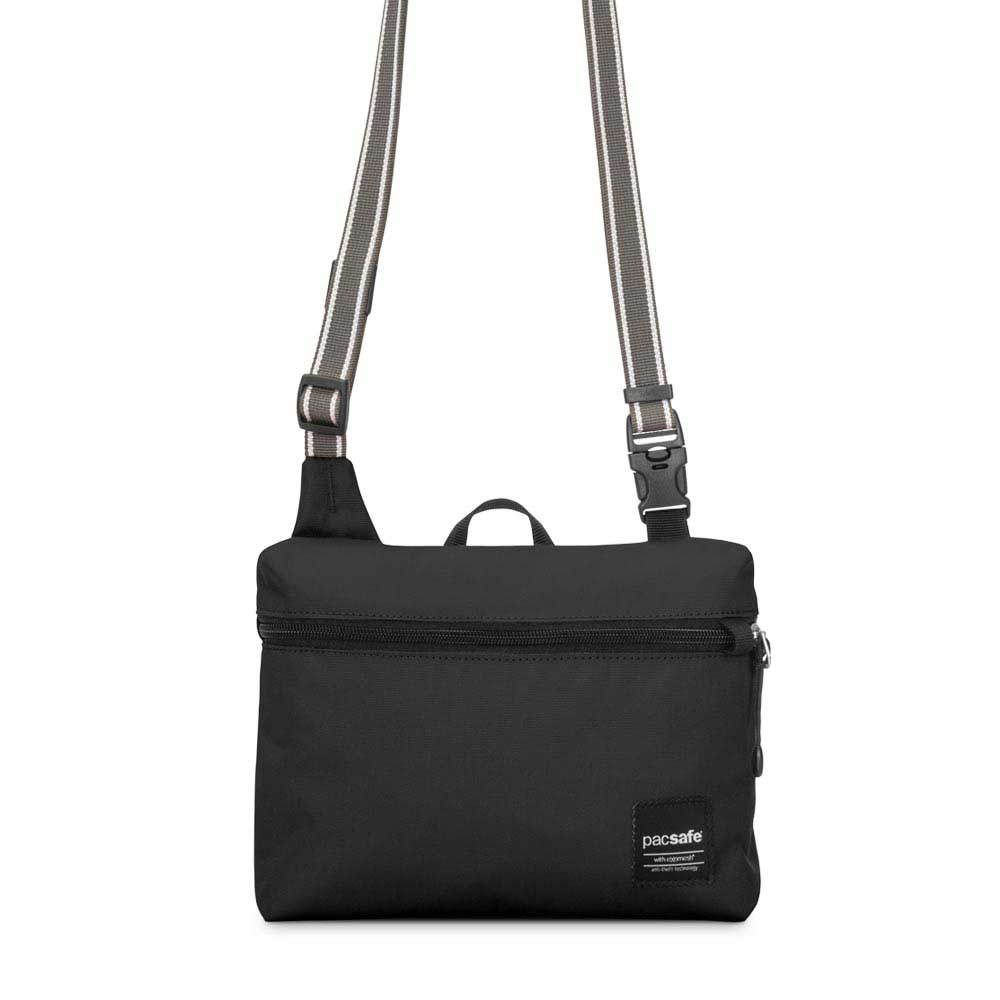
For a bag with RFID-blocking pockets built in, see the Pacsafe GO Lunar Crossbody Sling Pack.

How RFID Blocking Technology Works
RFID blocking materials create a barrier that is designed to stop a reader's radio waves reaching the chip in your card.
Comparing Blocking Materials
- Aluminium: affordable and effective, though it can be bulky.
- Carbon fibre: lightweight and durable, suited to everyday use.
- Nickel-copper fabric: flexible, often used in belts and pouches.
RFID Wallets vs RFID Sleeves
- Wallets: all-in-one carry, with every card protected whenever it's inside.
- Sleeves: a lower-cost option if you only want to protect one or two cards.
Making Your Own RFID Protection
Some people wrap cards in aluminium foil as a quick fix. It may help, but it's easy to leave gaps, and foil wears and tears. If you want reliable protection, a purpose-made wallet or sleeve is a better choice. You can check any wallet with a free NFC reader app on your phone: if the app reads the card on its own but not inside the wallet, it's blocking. See our DIY test guide.
FAQs
How effective is RFID blocking technology?
Well-made RFID blocking products are designed to block the signal contactless cards use. They don't protect against PIN theft, online fraud or magnetic stripe skimming.
Do I really need RFID protection for my cards?
It's your call. Reported cases are rare, so it's a low-cost precaution that matters most if you spend time in crowded places or travel often.
What should I do if my RFID protection stops working?
Check for wear and tear, and replace the product if it's damaged. You can retest it using the phone app method above.
Conclusion
Protecting your cards and passport with RFID blocking products is a simple, low-cost precaution. Pair it with good habits, like telling your bank before you travel and keeping a backup card, and you'll cover most of what matters.