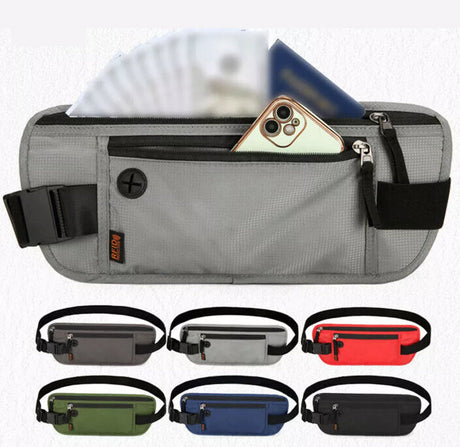
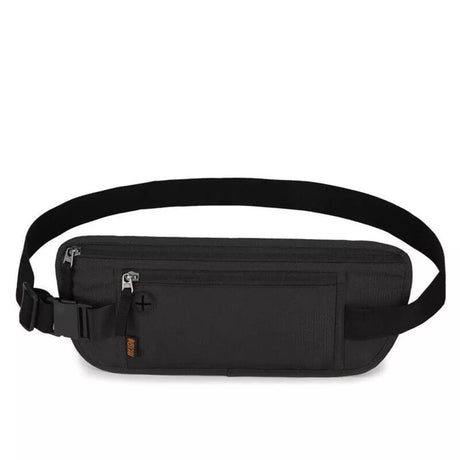
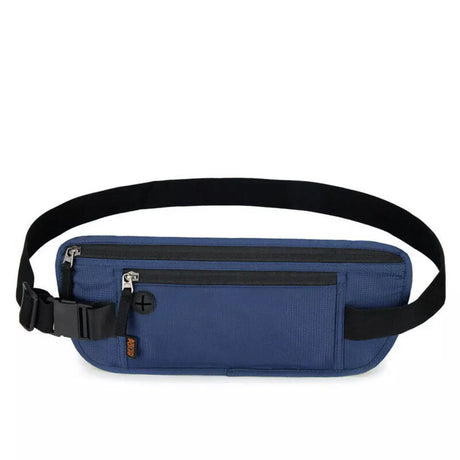
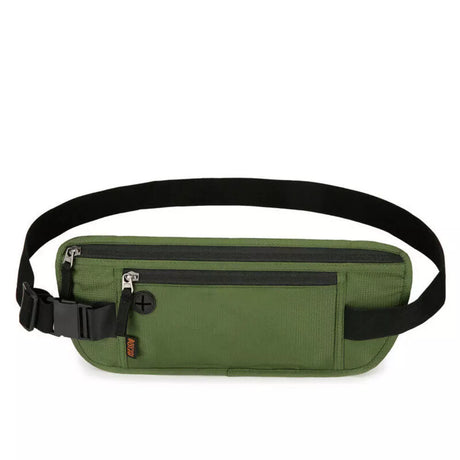
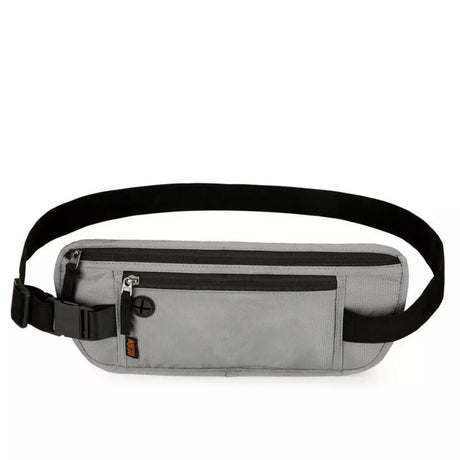
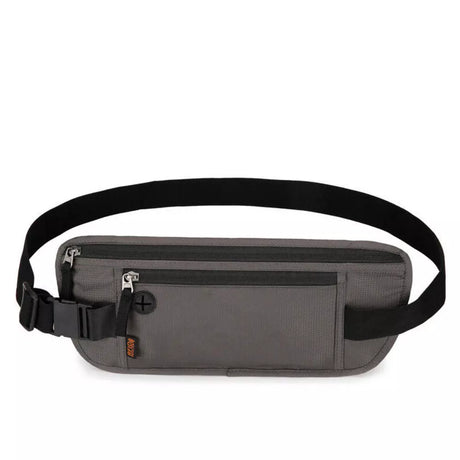
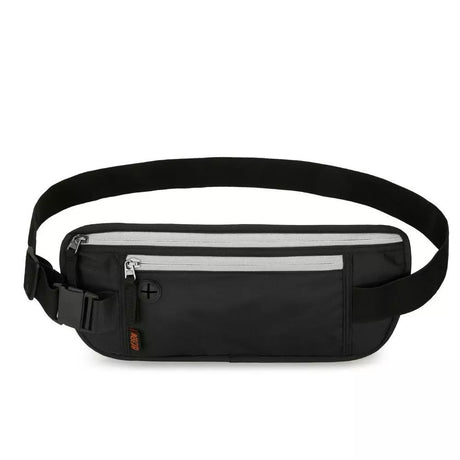
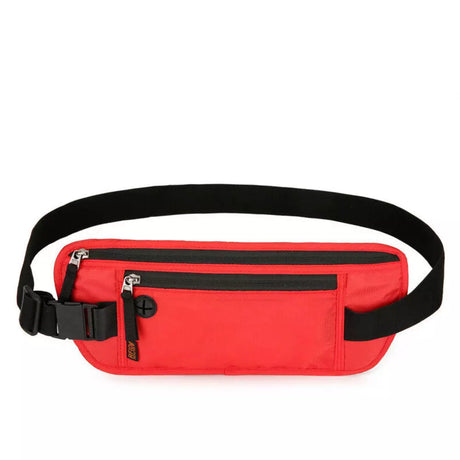
Money Belts & Travel Wallets
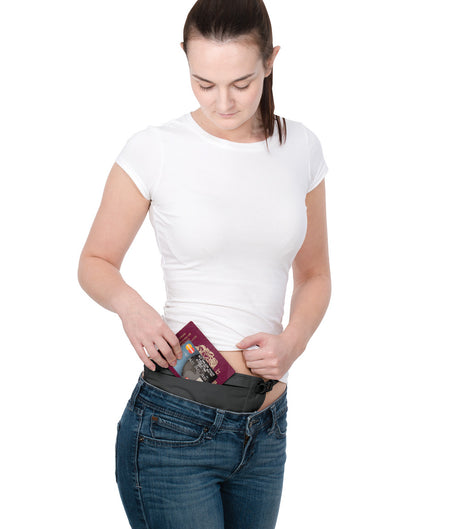
When you're navigating a crowded metro in Barcelona, a night market in Bangkok, or a busy transit hub in Dubai, a money belt keeps your passport, cards, and emergency cash close and invisible. Worn under clothing, a good money belt is undetectable to pickpockets and bag snatchers — and the cost of replacing a stolen passport and cards far exceeds the price of one. Travel Gear is an authorised Australian stockist for Pacsafe and Korjo, shipping from our Charlestown NSW warehouse with fast delivery across Australia.
Types of Money Belts & Travel Wallets
-
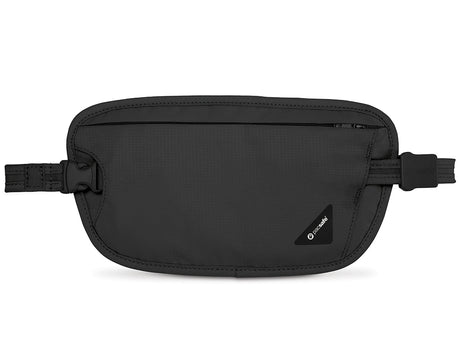
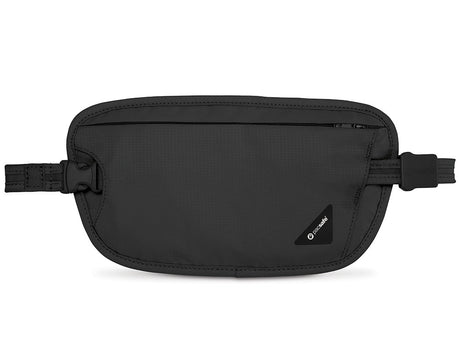
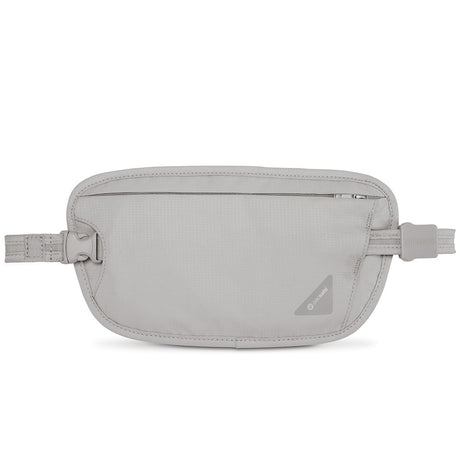
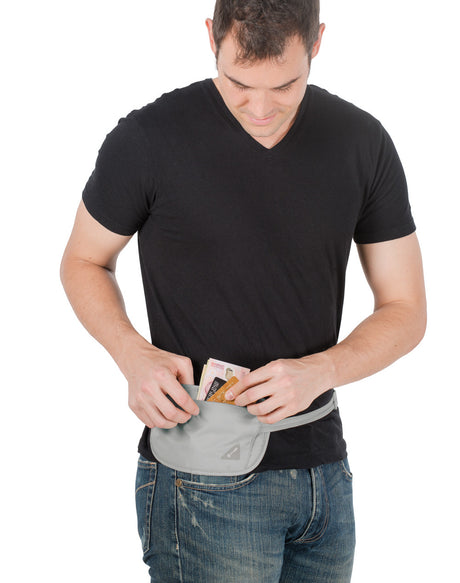
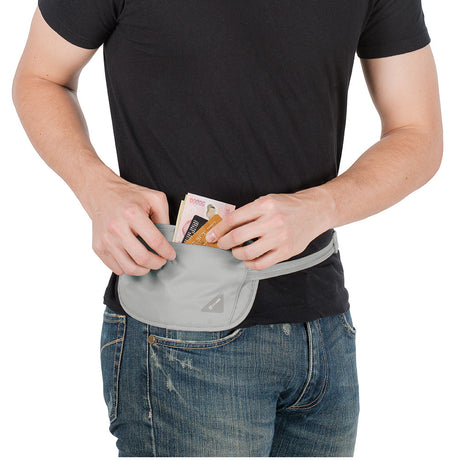
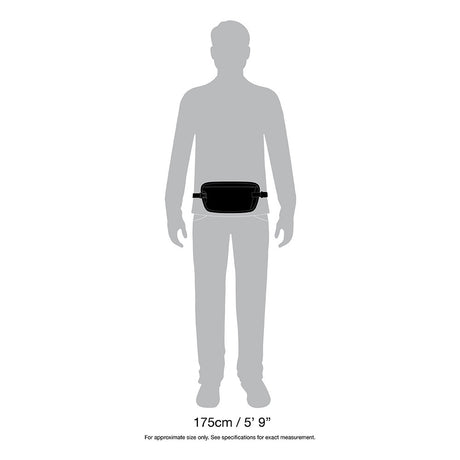
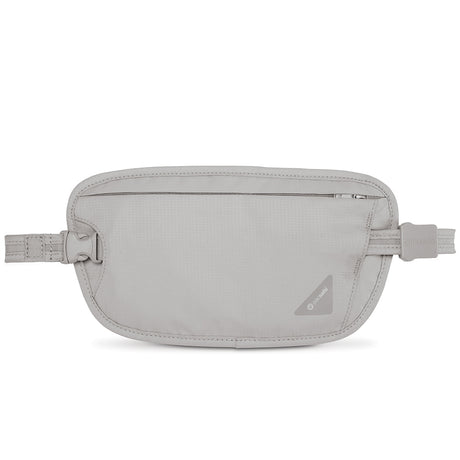
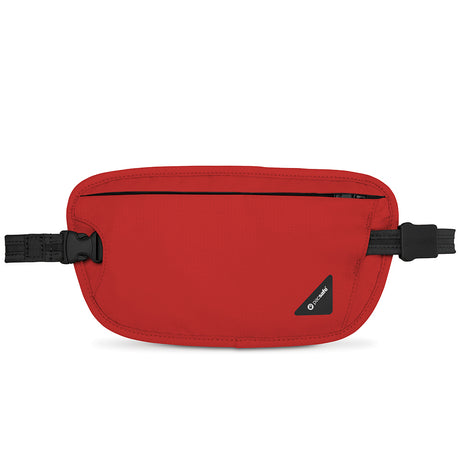
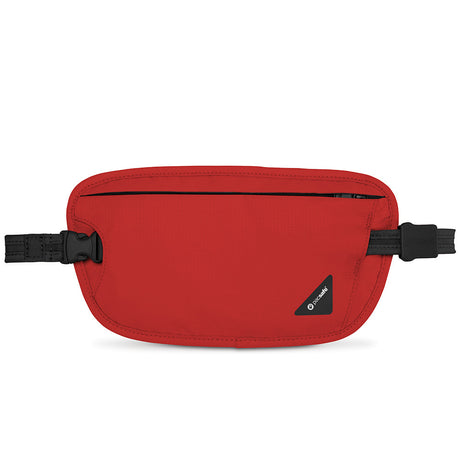
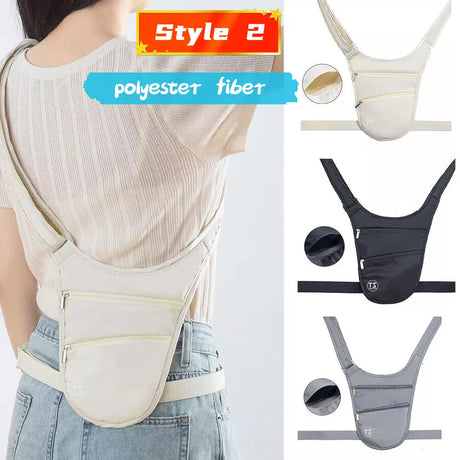
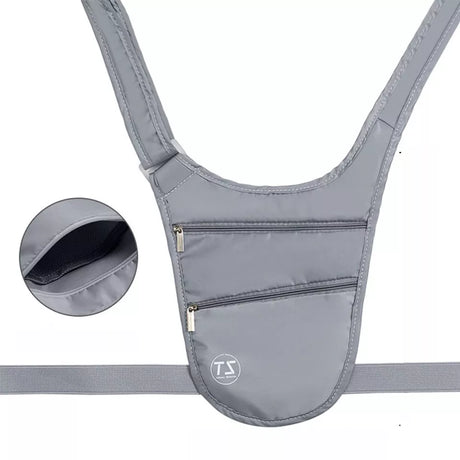
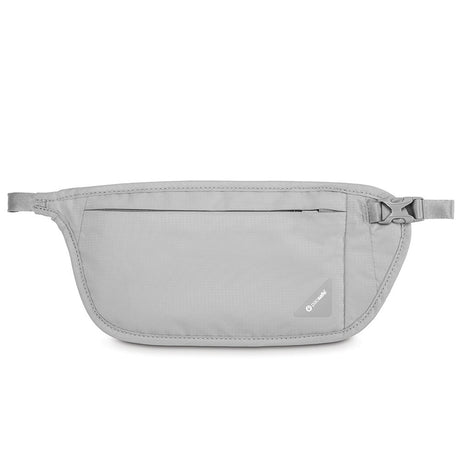
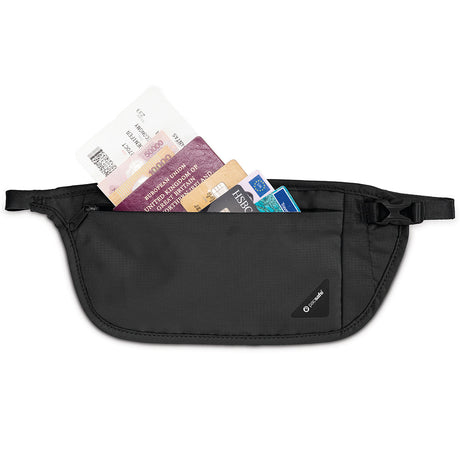
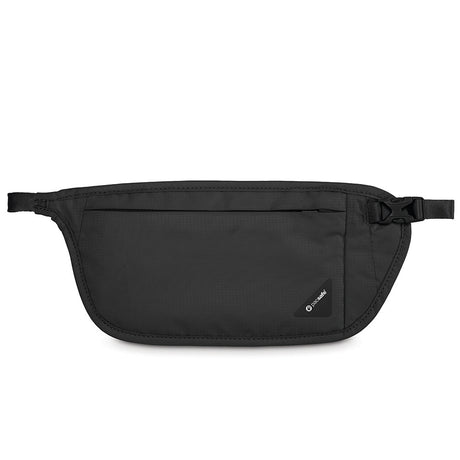
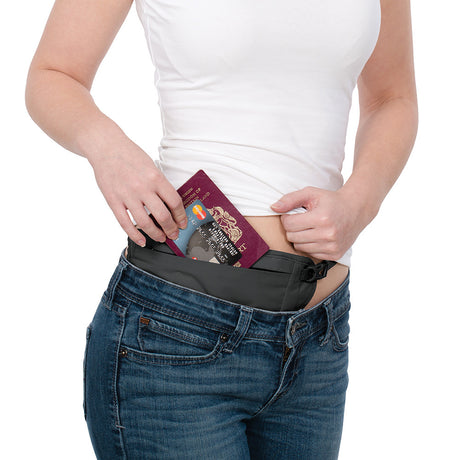
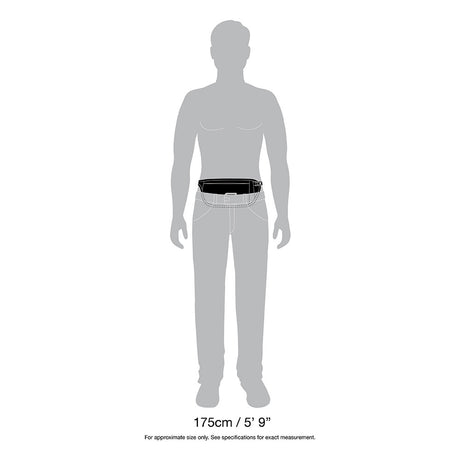
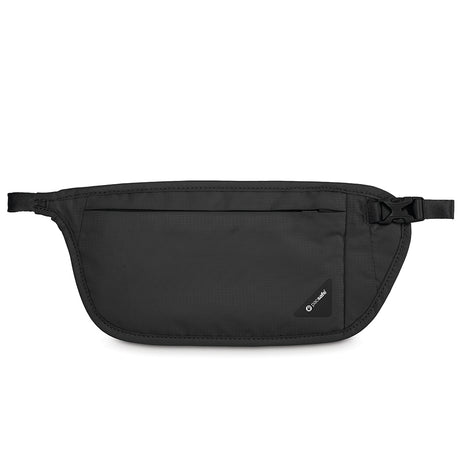
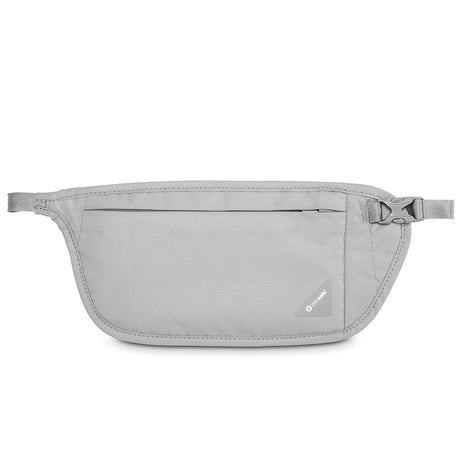
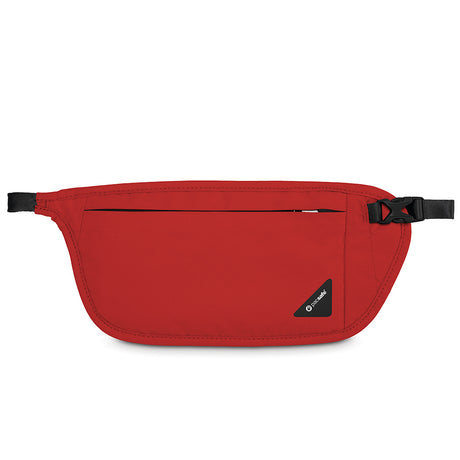
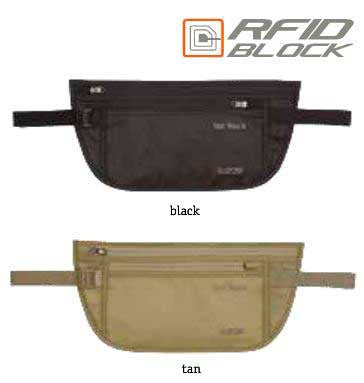
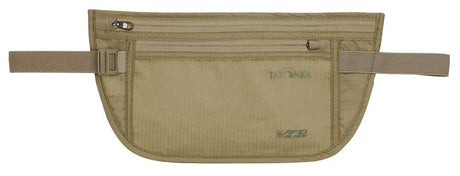
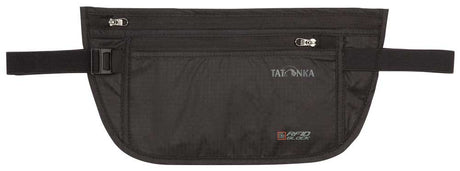
Waist money belt: Worn around the waist under clothing — the most secure option, holds the most. The classic choice for international travel. Look for a slim profile that doesn't show through a t-shirt and a moisture-wicking fabric for comfort in heat
-
Neck pouch: Hangs under your shirt from a cord around your neck — good for passports and flat documents. Lighter and thinner than a waist belt but holds less
-
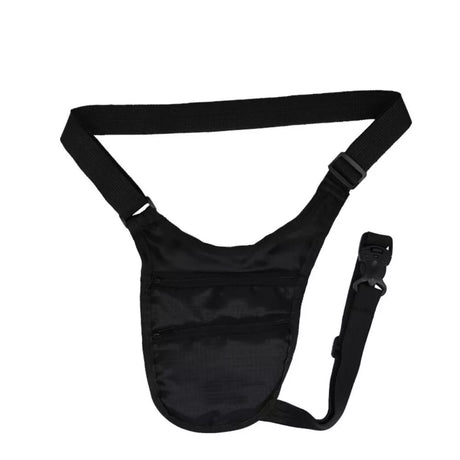
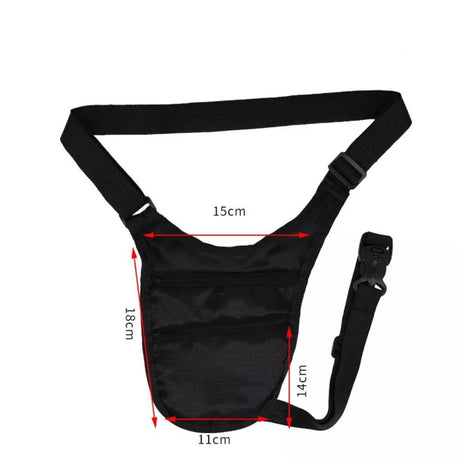
Leg wallet: Straps to the thigh under trousers — useful when waistbands are tight or in hot climates where a waist belt is uncomfortable
-
RFID-blocking travel wallets: Slim wallets with RFID-blocking lining for everyday carry — used as your main wallet rather than a concealed backup. See our dedicated RFID protection wallets and card holders for the full range
What to Look for in a Money Belt
-
RFID-blocking lining: Protects contactless cards and e-passports from wireless skimming — standard on quality money belts
-
Slim profile: Should be invisible under a fitted t-shirt — avoid bulky designs that create a visible outline
-
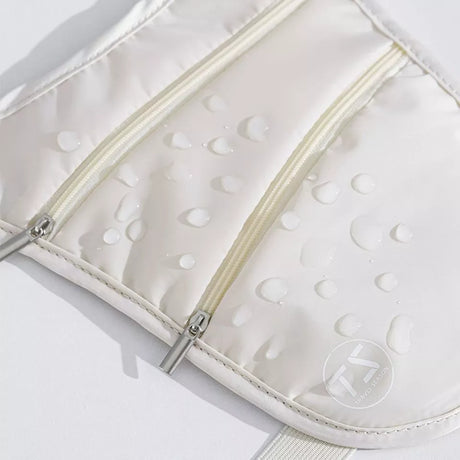
Moisture-wicking fabric: Important for hot climates where you'll be wearing it all day against your skin
-
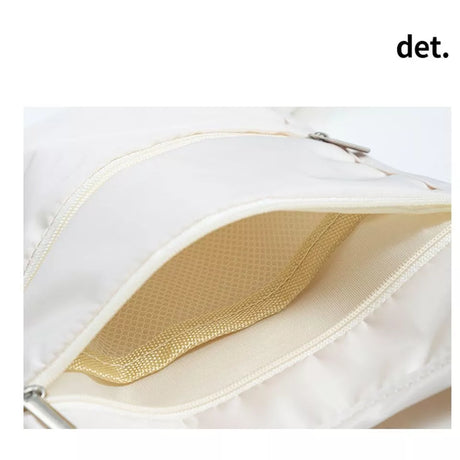
Zip closure: More secure than velcro, which can open accidentally and makes noise when accessed
-
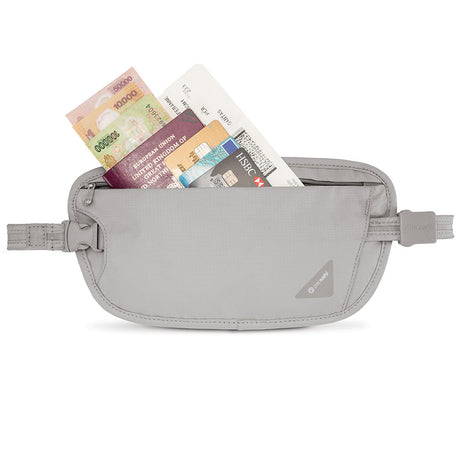
Capacity: Should hold a passport, 2–3 cards, and folded notes without bulging
Travel Security Tips
- Never keep all your cards and cash in one place — split between money belt and an accessible wallet for daily use
- Keep a small amount of local cash in a pocket for markets, taxis, and small purchases — don't access your money belt in public
- Store your passport in your money belt when in crowded tourist areas and transit hubs
- For maximum security, combine a money belt with a Pacsafe anti-theft bag for layered protection
Frequently Asked Questions
Are money belts worth it for travel?
Yes — particularly for travel to high-pickpocket destinations like Barcelona, Rome, Paris, Bangkok, and Buenos Aires. The cost of replacing a stolen passport, cards, and cash far exceeds the price of a quality money belt. They're also useful as a secure backup for emergency funds on any trip.
Can I go through airport security with a money belt?
Yes — remove it and place it in your carry-on tray when going through the security scanner, just like a belt or watch. Most travellers put it back on immediately after clearing security. A money belt with no metal components will often pass through without triggering the scanner.
What's the difference between a money belt and a neck pouch?
A money belt wraps around your waist under clothing; a neck pouch hangs from a cord around your neck under your shirt. Both are concealed and RFID-blocking. Money belts hold more and are more comfortable for all-day wear; neck pouches are better for passports and flat documents on shorter outings. For more on layering your travel security, see our anti-theft travel security guide.