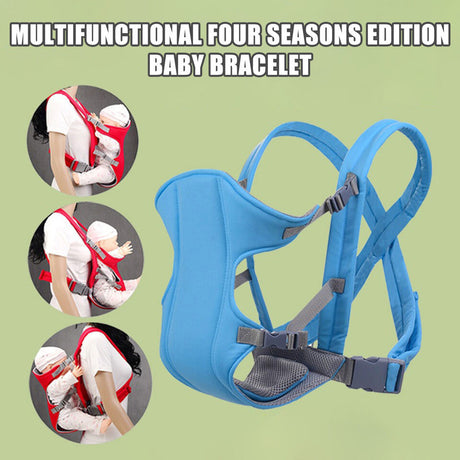
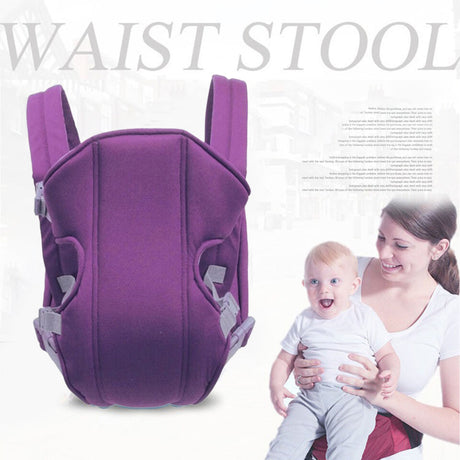
A good baby carrier keeps your hands free, your baby close, and your back comfortable — whether you're navigating an airport, exploring a market, or hiking a trail. For travelling parents, a carrier is often more practical than a pram: no wheels to fold, no bulk to check, and no barriers on cobblestones, stairs, or uneven terrain.
Travel Gear ships from our Charlestown NSW warehouse with fast delivery across Australia.
Types of Baby Carriers for Travel
Structured Carriers (SSCs)
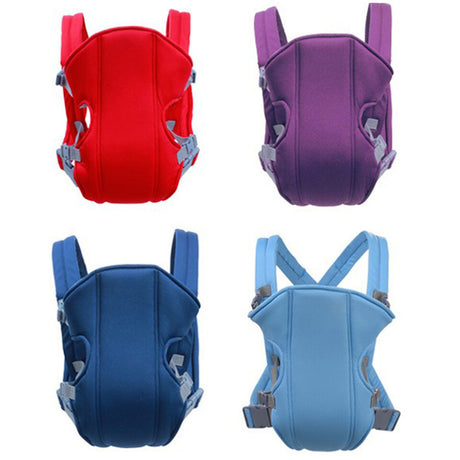
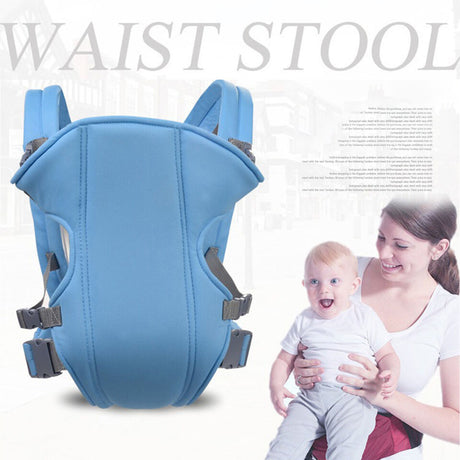
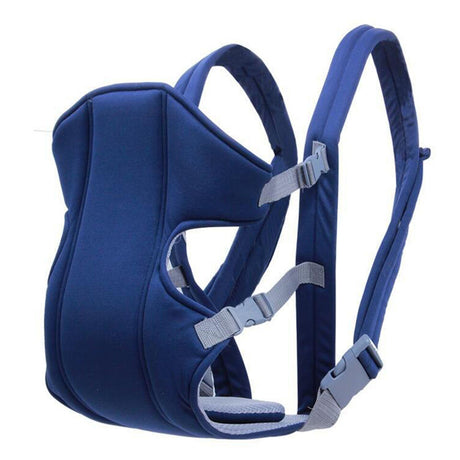
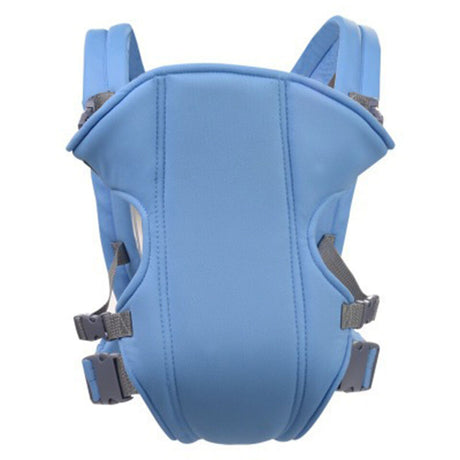
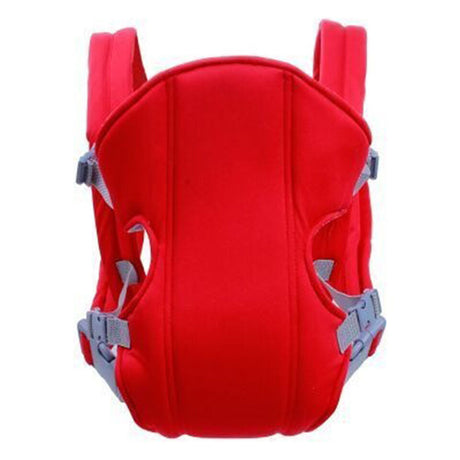
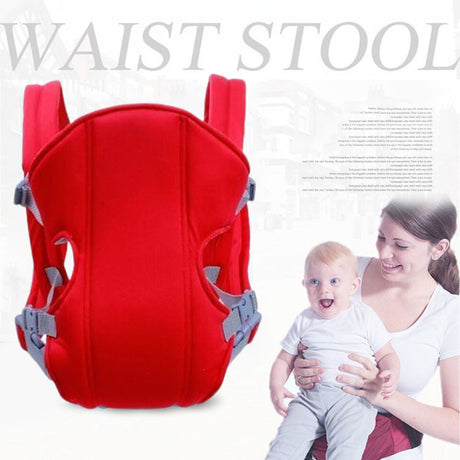
Soft structured carriers use padded waist belts and shoulder straps to distribute your baby's weight across your hips and shoulders rather than your back. The most comfortable option for extended carry — suitable from newborn (with an infant insert) through toddler age. Look for carriers with multiple carry positions: front-facing in, front-facing out, and back carry. Weight range typically 3.5–20kg depending on the model.
Wrap Carriers
Long stretchy or woven fabric wraps that tie around your body. Excellent for newborns and young infants — the wrap moulds to your body and distributes weight evenly. Steeper learning curve than structured carriers but highly adjustable and compact when packed. Stretchy wraps suit newborns up to approximately 8kg; woven wraps suit newborns through toddlers.
Ring Slings
A single length of fabric threaded through two rings, worn over one shoulder. Quick to put on and take off — useful for short carries and hip carries for older babies. Less suitable for extended carry due to one-shoulder weight distribution. Compact and lightweight for travel.
Mei Tai Carriers
A hybrid between a wrap and a structured carrier — a rectangular body panel with long straps that tie at the waist and shoulders. More adjustable than a structured carrier, easier to use than a wrap. Suitable from approximately 4–15kg.
What to Look for in a Travel Baby Carrier
-
Ergonomic seat: The carrier should support your baby in an M-position (knees higher than bottom) — this is the hip-healthy position recommended by the International Hip Dysplasia Institute
-
Weight distribution: A padded waist belt transfers weight to your hips — essential for carries over 30 minutes
-
Pack size: For travel, look for carriers that fold or stuff into a pouch — structured carriers typically pack to the size of a small daypack
-
Airflow: Mesh panels on the carrier body reduce heat build-up in warm climates — important for tropical destinations
-
Age and weight range: Check the manufacturer's minimum and maximum weight — some carriers require an infant insert for newborns under 5kg
-
Carry positions: Front-facing in is suitable from birth; front-facing out from approximately 4–6 months; back carry from when baby has strong head and neck control
Baby Carrier Safety
Follow the TICKS guidelines for safe babywearing: Tight, In view at all times, Close enough to kiss, Keep chin off chest, Supported back. Never use a carrier while cooking, cycling, or in a vehicle. For travel with infants, also see our travel nappy bags and pram and car seat travel bags for complete family travel gear.
Frequently Asked Questions
What age can I use a baby carrier for travel?
Most structured carriers are suitable from birth (with an infant insert) through toddler age, typically up to 20kg. Wrap carriers are particularly well-suited to newborns. Always check the manufacturer's minimum weight — most require at least 3.5kg. For air travel, a carrier is one of the most practical ways to manage a young baby through airports and on board.
Are baby carriers allowed on planes?
Yes — you can wear a baby carrier through the airport and boarding. During the flight, your baby must be secured in their own seat or on your lap with a loop belt during takeoff, landing, and turbulence. Most airlines provide a loop belt on request. Remove the carrier and hold your baby during these phases.
What is the most comfortable baby carrier for long travel days?
For long travel days involving airports, transit, and sightseeing, a soft structured carrier with a padded waist belt is the most comfortable option. The waist belt transfers weight to your hips, reducing back and shoulder fatigue significantly compared to ring slings or unstructured carriers. Look for a model with mesh panels if you're travelling to warm climates.