Backpacking is about travelling smarter, not harder. The right backpacker gear means you carry less, spend less time managing your stuff, and spend more time actually experiencing the places you came to see. This collection is hand-picked for Australian backpackers heading out on adventures anywhere from Southeast Asia to South America, the Camino to the Kokoda Track — 35 essential products chosen for their weight, versatility, and real-world performance on the road.
At Travel Gear, we know backpacking because we've done it. These are the backpacker essentials our team actually packs, recommends, and stands behind. Nothing here is filler.
The Backpacker's Core Kit
The right bag. Your backpack is your home. A quality travel backpack that fits well and organises smartly makes every day easier. Look for a bag with a padded laptop compartment, a separate day-pack zipper, and lockable zippers if you're heading to high-theft areas. Our Pacsafe Venturesafe range is specifically designed for backpackers who need anti-theft protection without sacrificing capacity or comfort.
Travel security. Pickpocketing is a reality in many popular backpacker destinations — Bangkok, Barcelona, Bali, Lisbon. A money belt worn under your clothes keeps your passport, backup cash, and emergency card out of reach. A slim RFID-blocking wallet for your daily spend completes the setup. Add a combination padlock for hostel lockers — essential in any shared dorm room.
Pack light, wash often. The backpacker's golden rule: pack half of what you think you need, and have the means to wash clothes on the road. Our travel laundry range includes lightweight wash bags and our new eco laundry detergent sheets — TSA-compliant, zero plastic, and light enough to forget they're in your bag. Wash your clothes in any hostel sink and dry them overnight.
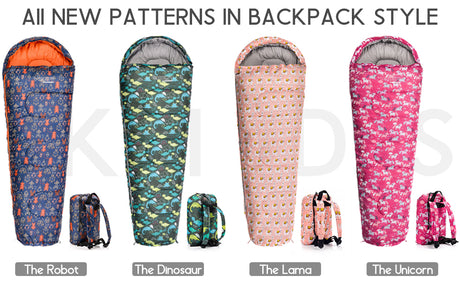
Sleep anywhere. A sleeping sheet liner is one of the most useful items a backpacker can carry. It keeps you warm in air-conditioned dorms, provides a hygienic layer in budget accommodation where linen quality varies, and doubles as a light blanket on cold buses and night trains. Combine with a sleep mask and ear plugs for proper rest in noisy hostels.
Stay healthy. Backpackers get sick. It's almost a rite of passage. A compact travel first aid kit handles the basics — blisters, cuts, upset stomachs, and headaches — without adding real weight to your pack. Add mosquito protection for Southeast Asia, Central America, and sub-Saharan Africa.
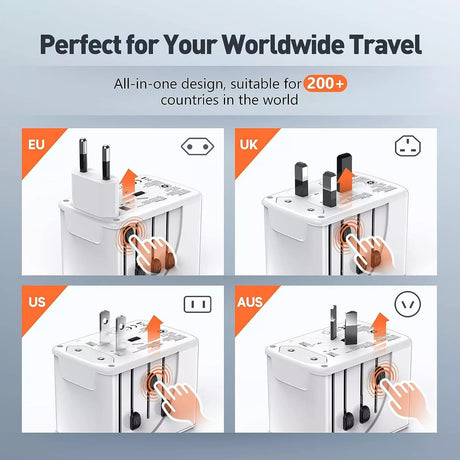
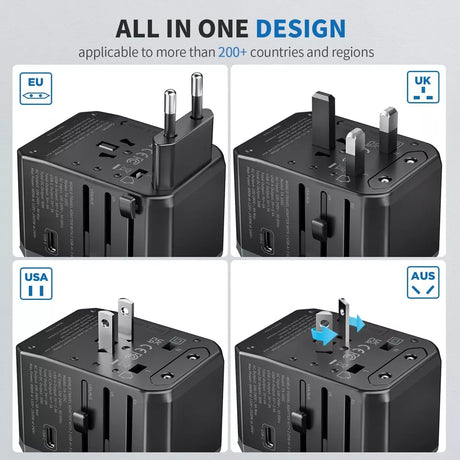
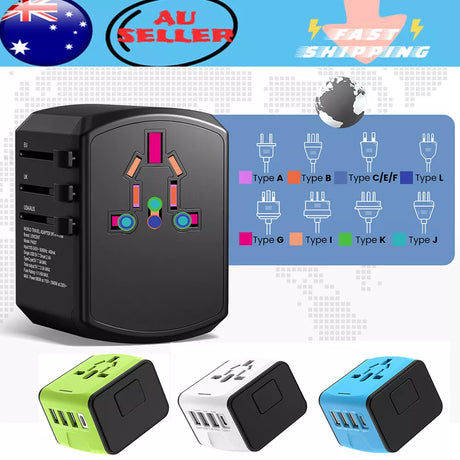
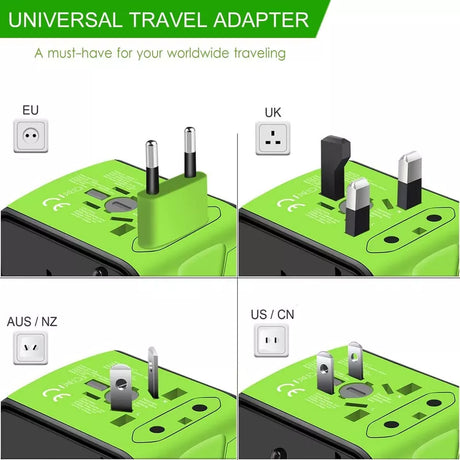
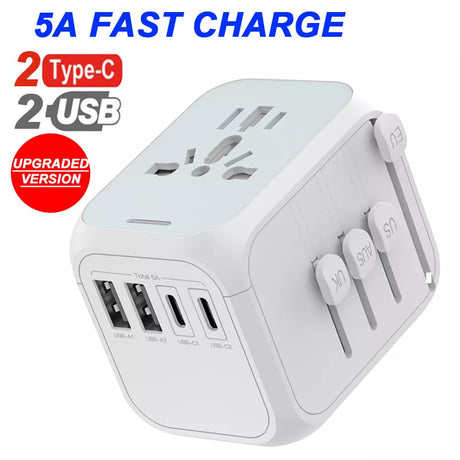
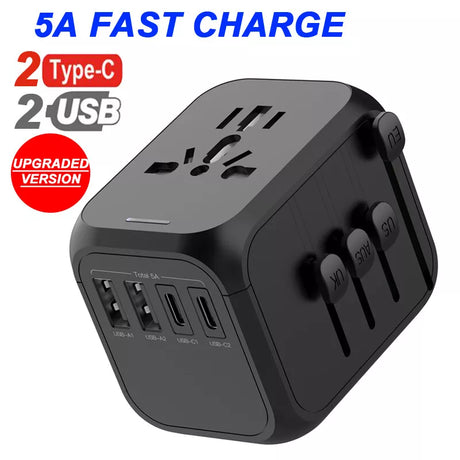
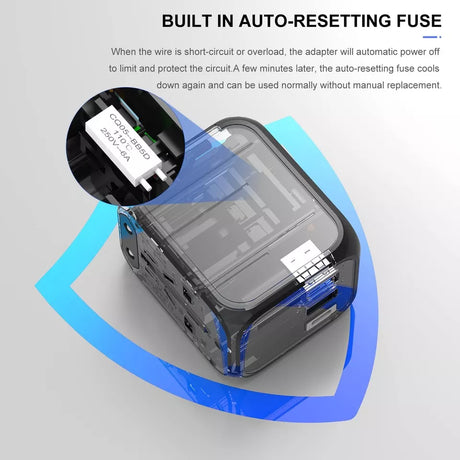
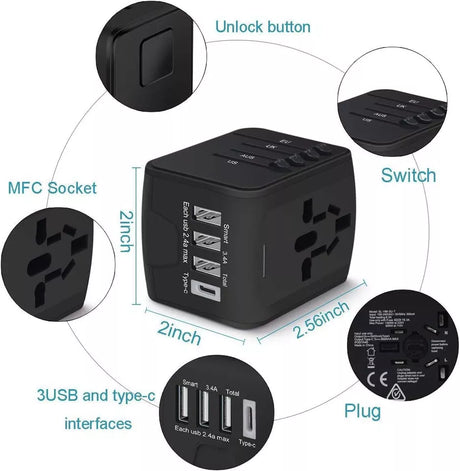
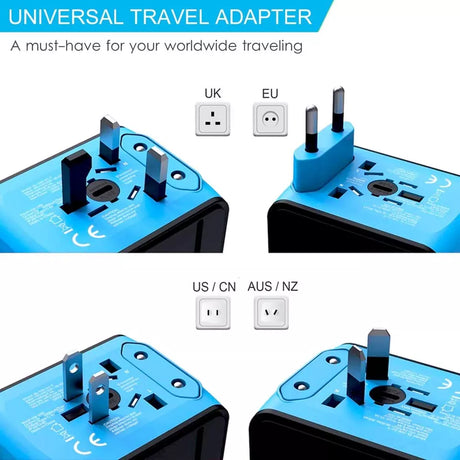
Stay charged. A universal travel adaptor is non-negotiable. One compact multi-country adaptor with USB ports covers you everywhere from European double-pin sockets to Southeast Asian flat-pin outlets.
Backpacker Travel Tips from Our Team
Roll your clothes — it saves more space than folding and reduces creasing. Keep your daily essentials (passport copy, emergency cash, phone charger) in a consistent place in your bag so you can find them half-asleep at 3am in a busy hostel. And always carry a small padlock — hostel lockers are only useful if you have your own.
Frequently Asked Questions
What should I pack for backpacking in Southeast Asia?
Essentials for Southeast Asia backpacking: a 40–60L travel backpack, lightweight quick-dry clothing, flip-flops and one pair of closed-toe shoes, a sleep sheet liner, a compact first aid kit, mosquito repellent, a universal travel adaptor, a money belt or neck pouch, an RFID-blocking wallet, and a reusable water bottle with filter. Leave the hair dryer at home — every hostel has one.
How much should a backpack weigh for travel?
For extended backpacking, aim for a total pack weight of no more than 10–12kg including the bag. This is enough for 2–3 weeks of travel in warm climates with a washing-as-you-go approach. For cold-weather destinations or longer trips, 12–15kg is more realistic. The lighter you travel, the more comfortable every travel day becomes.
What size backpack do I need for backpacking?
A 40–50L travel backpack suits most backpackers on 1–6 month trips to warm destinations. 50–65L suits longer trips, cold-weather destinations, or travellers who carry more gear (camera equipment, outdoor gear, etc.). Avoid going bigger than you need — extra space means extra temptation to overpack.
Is it safe to backpack with valuables?
Yes, with the right gear and habits. Keep your passport and emergency funds in a money belt worn under your clothes. Use a padlock on hostel lockers for your main bag. Carry a daily wallet with just what you need for that day. An anti-theft backpack from the Pacsafe Venturesafe range adds slash-resistant protection against bag theft. Common sense and the right gear make backpacking with valuables very manageable.