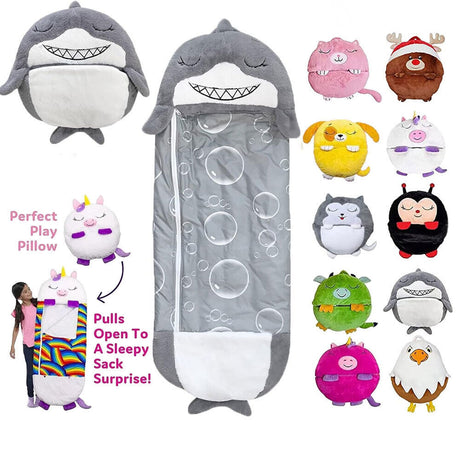
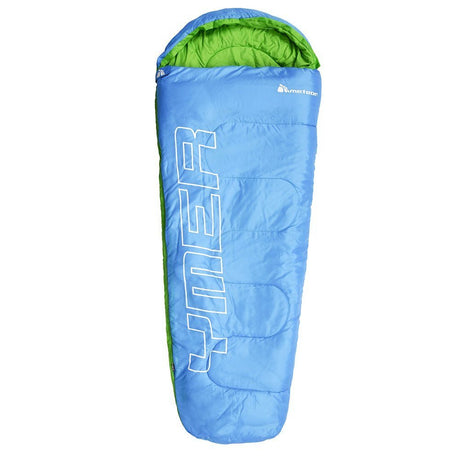
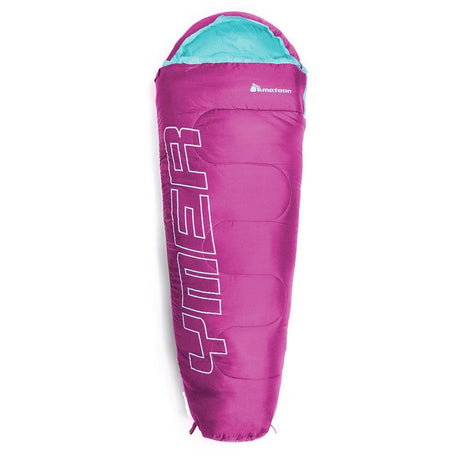
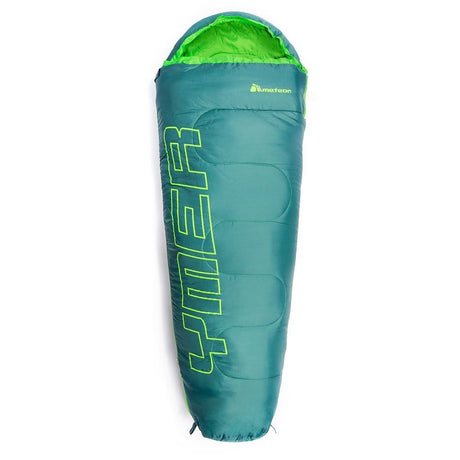
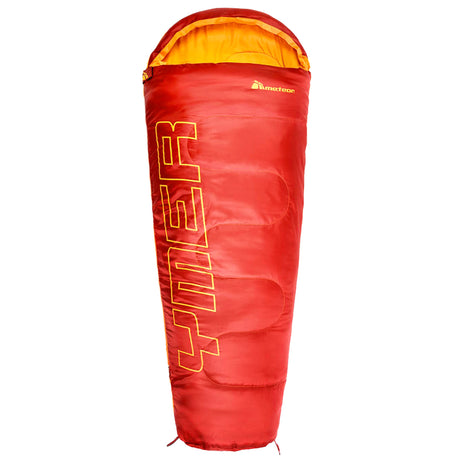
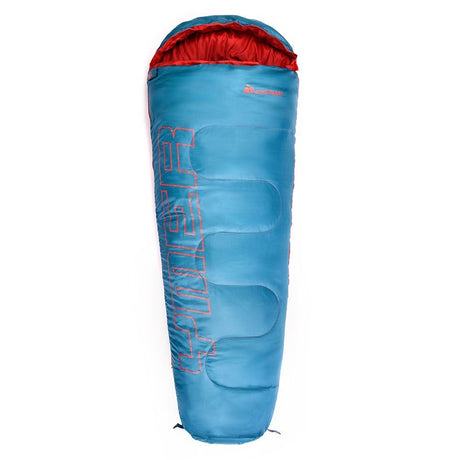
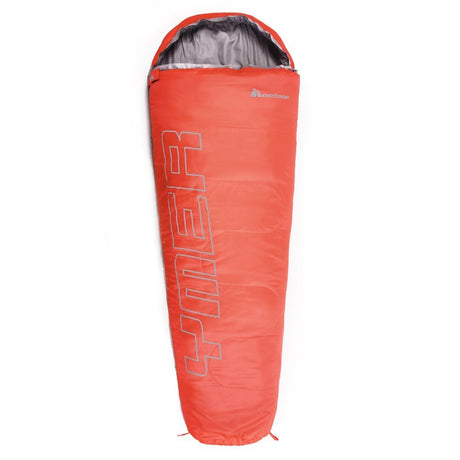
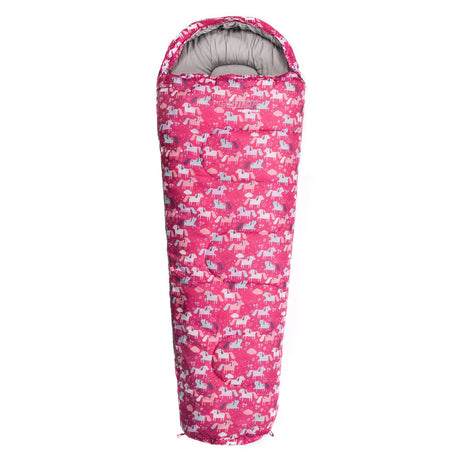
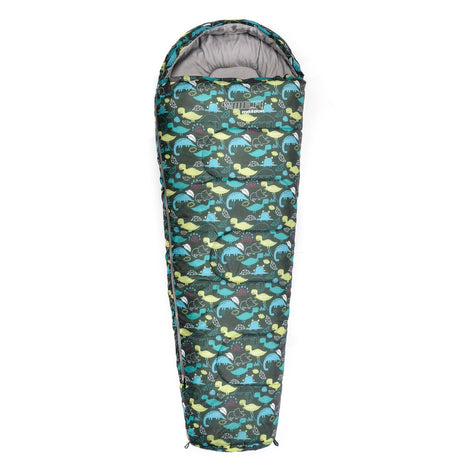
A sleeping sheet liner is one of the most versatile and underrated pieces of travel gear available — and one of the first things experienced travellers add to their kit after their first trip. Whether you're extending the warmth of your sleeping bag by several degrees, adding a hygienic layer between yourself and hostel linen of uncertain quality, staying warm on a cold overnight bus, or using it as a lightweight standalone sleep solution in warm destinations, a sleeping sheet liner earns its small weight and pack size on virtually every trip.
At Travel Gear, we stock sleeping bag liners and travel sleeping sheets from Sea to Summit — the benchmark brand in this category — across multiple materials and temperature ratings, for every travel style from ultralight backpacking to family hostel travel.
What Does a Sleeping Bag Liner Actually Do?
A sleeping bag liner serves several distinct functions, and understanding them helps you choose the right one:
-
Extends sleeping bag temperature rating. A liner adds 3–10°C of warmth to any sleeping bag, depending on the liner material. A thermolite liner can turn a +5°C sleeping bag into a -5°C system — a significant extension at minimal additional weight and pack size.
-
Adds a washable hygiene layer. Sleeping bags should be washed infrequently (washing degrades down and synthetic fill). A liner protects your sleeping bag from body oils, sweat, and contamination, and is easily machine-washed. Particularly important in hostel bunk beds and camping huts where sleeping bag cleanliness matters.
-
Functions as a standalone sleep sheet. In warm destinations (Southeast Asia, Pacific Islands, tropical Australia), many travellers use a liner alone rather than a sleeping bag. It provides coverage and a light layer without overheating.
-
Provides comfort in hostel beds. A silk or cotton liner between yourself and hostel linen gives peace of mind regardless of the accommodation standard. The liner is your environment; the hostel provides the bed frame.
Sleeping Liner Materials: Which Is Right for You?
| Material |
Warmth Added |
Weight |
Pack Size |
Best For |
| Silk |
+2–3°C |
Ultralight |
Tiny |
Warm climates, luxury feel, hygiene |
| CoolMax (polyester) |
+1–2°C |
Light |
Small |
Hot climates, moisture wicking |
| Cotton |
+3–5°C |
Medium |
Medium |
Comfort feel, hostel use |
| Merino Wool |
+3–5°C |
Light-medium |
Small |
Year-round versatility, odour resistance |
| Thermolite |
+8–10°C |
Medium |
Medium |
Cold-weather camping, extending bag rating |
Our recommendation: A silk or CoolMax liner for Southeast Asia and warm destinations. A merino or thermolite liner for camping and cold-climate travel. If you can only own one, a merino liner covers the widest range of conditions.
Sea to Summit Reactor Liner Range
Sea to Summit's Reactor liner series is the benchmark product in this category. Each liner is shaped to fit inside a sleeping bag without bunching, includes a pillow slot to keep it in position overnight, and packs into a built-in stuff sack. The Reactor range covers thermolite, merino, cotton, and CoolMax variants. Browse the complete Sea to Summit range for all available liner models, or pair with a sleeping bag for a complete sleep system.
Also explore our sleep masks and sleep travel aids to build a complete on-the-road sleep kit.
Frequently Asked Questions
Do I need a sleeping bag liner for hostel travel?
Many experienced hostel travellers consider a liner essential rather than optional. It provides a clean layer between yourself and hostel linen (regardless of quality), adds warmth in cold-season hostels, and doubles as a travel blanket on overnight buses and trains. A silk or cotton liner adds under 200g to your pack and takes up less space than a t-shirt.
Can a sleeping bag liner replace a sleeping bag in warm climates?
Yes, in genuinely warm conditions. In Southeast Asia, tropical Australia, and Pacific Island destinations where overnight temperatures stay above 20°C, a CoolMax or silk liner provides enough coverage for comfortable sleep without the weight and bulk of a sleeping bag. Many long-term tropical travellers carry only a liner, not a sleeping bag.
How do I wash a sleeping bag liner?
Machine wash on a gentle cycle. Silk liners should be washed in cold water on a delicates setting. Cotton, merino, and thermolite liners handle warm gentle machine washing. Hang to dry or tumble dry on low. Most liners are significantly easier to wash than sleeping bags — the ease of washing is one of their primary functions.